
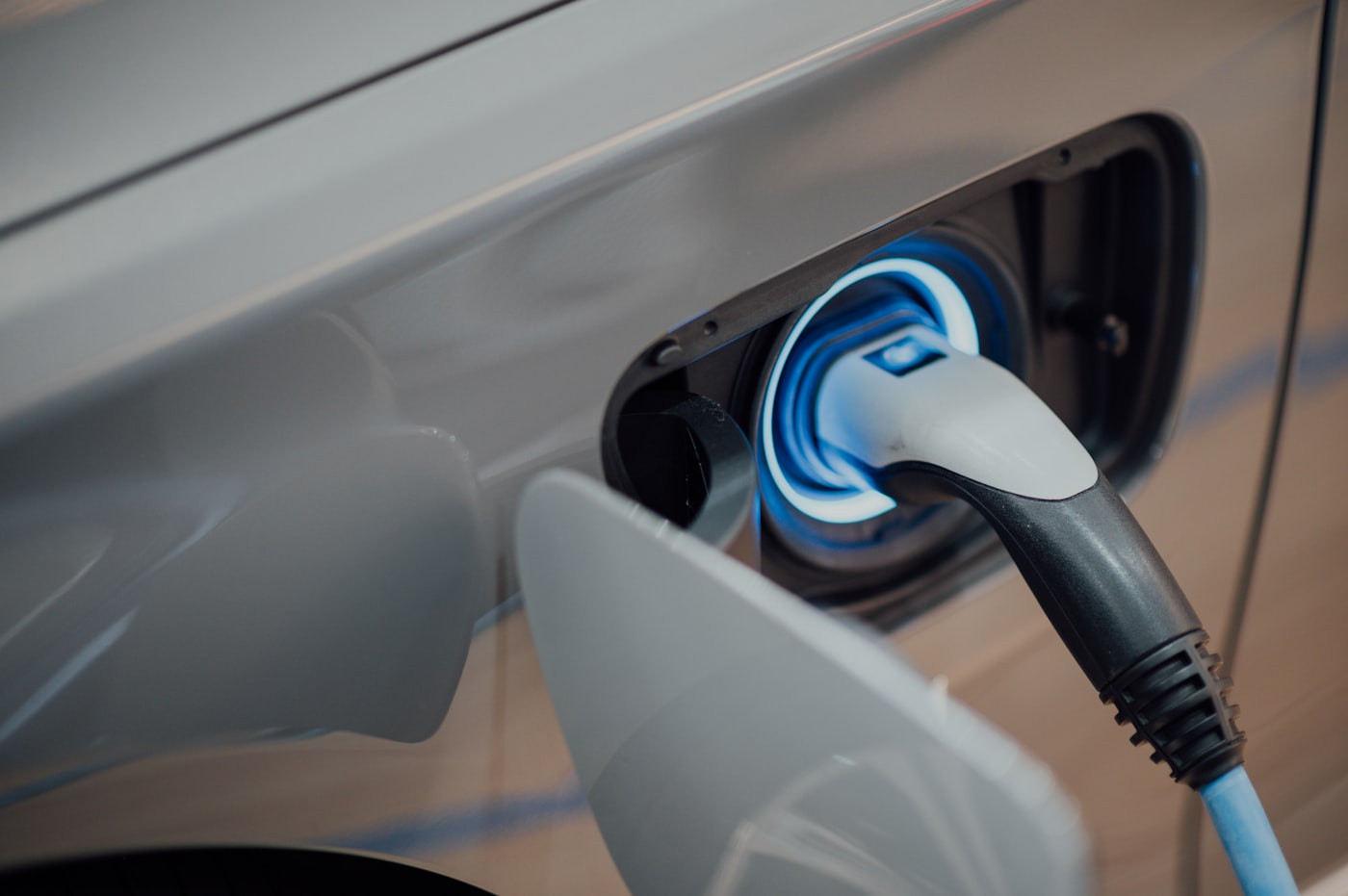
How EV Batteries Work
An EV battery isn’t a single cell — it’s a battery pack made of thousands of small lithium-ion cells grouped into modules. Charging stores electrical energy as chemical energy; driving converts it back to power the motor.
📸 A modern EV battery pack — hundreds of cells arranged in modules
The Battery Management System (BMS) is the brain — it monitors temperature, voltage, and charge state to keep your battery safe and healthy 24/7.
Types of EV Batteries
Not all EV batteries are the same. Chemistry matters — it affects range, longevity, safety, and cost.
LFP (LiFePO₄)
Safest chemistry, longest life cycle, handles Indian heat well. Lower energy density but very reliable.
🇮🇳 Most Popular in IndiaNMC
Higher energy density = longer range. Common in premium EVs. Needs more thermal management.
⭐ Premium SegmentSolid State
Next-gen tech. No liquid electrolyte — safer, faster charging, longer range. Still in development.
🚀 Coming 2026–27| Type | Range | Lifespan | Heat Safety | Cost |
|---|---|---|---|---|
| 🔋 LFP | Moderate | 3000+ cycles | ✅ Excellent | Low |
| ⚗️ NMC | High | 1500 cycles | ⚠️ Needs cooling | Medium |
| 🔬 Solid State | Very High | 5000+ cycles | ✅ Excellent | Very High |
Battery Capacity & Real-World Range
Battery size is measured in kWh (kilowatt-hours) — like a fuel tank. Bigger = more range. But real-world range is affected by AC usage, speed, road conditions, and temperature.
In Indian summers (40°C+), expect 10–15% less range than the rated figure. Running AC further reduces it by 8–12%.
How Long Does an EV Battery Last?
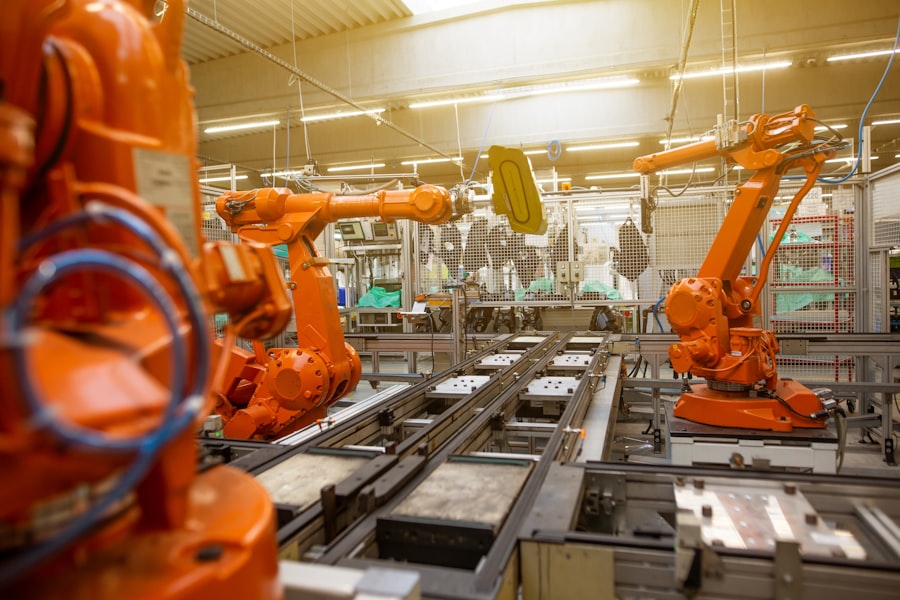
📸 EV charging infrastructure is rapidly expanding across Indian cities
5 Tips to Extend Your EV Battery Life
Charge to 80%
Keep daily charge between 20–80% to reduce cell stress.
Park in Shade
Avoid direct sun. Indian heat above 40°C accelerates degradation.
Use Fast Charging Wisely
DC fast charging is OK occasionally — not every single day.
Avoid Deep Discharge
Don’t let battery fall below 10% regularly.
Use Eco Mode
Regenerative braking and eco mode reduce battery wear on daily drives.
EV Battery Situation in India 🇮🇳
India’s EV battery ecosystem is growing fast. With FAME-II subsidies and PLI schemes, battery costs are expected to drop 40% by 2030.
Companies like Tata, Ola, and Amara Raja are investing in local gigafactories, reducing import dependency.
Battery replacement today costs ₹3–8 lakh depending on the model — but most buyers won’t need one during the ownership period.

Who Makes EV Batteries? 🏭
EV batteries don’t come from the car brand — they’re made by specialist companies. Here’s who’s powering Indian and global EVs right now.
🇮🇳 Indian Battery Manufacturers
🌍 Global Battery Manufacturers (Supplying India)
🚗 Which Battery Powers Which Indian EV?
| EV Model | Battery Supplier | Type | Capacity |
|---|---|---|---|
| Tata Nexon EV | Tata AutoComp / CATL | LFP | 40.5 kWh |
| Tata Punch EV | Tata AutoComp | LFP | 25 / 35 kWh |
| Tata Tiago EV | Tata AutoComp | LFP | 19.2 / 24 kWh |
| MG ZS EV | SVOLT (China) | NMC | 50.3 kWh |
| MG Comet EV | SVOLT (China) | LFP | 17.3 kWh |
| BYD Atto 3 | BYD Blade Battery | LFP | 60.5 kWh |
| Hyundai Creta EV | LG Energy Solution | NMC | 51.4 kWh |
| Mahindra BE 6 | CATL / In-house | LFP | 59 / 79 kWh |
📊 Global EV Battery Market Share 2024
India’s EV battery market was valued at $2.2 billion in 2024 and is projected to reach $13.9 billion by 2033 — growing at 22.6% CAGR. Indian manufacturers are ramping up fast to reduce China dependency.
⚡ Compare EV Battery Specs
Use spare24’s EV Comparison Tool to compare battery capacity, range, and warranty side by side across all popular Indian EVs.
🔍 Compare EVs Now →