
How Electric Vehicles Work: EV Technology
⚡ How Electric Vehicles Work: Complete Beginner's Guide to EV Technology
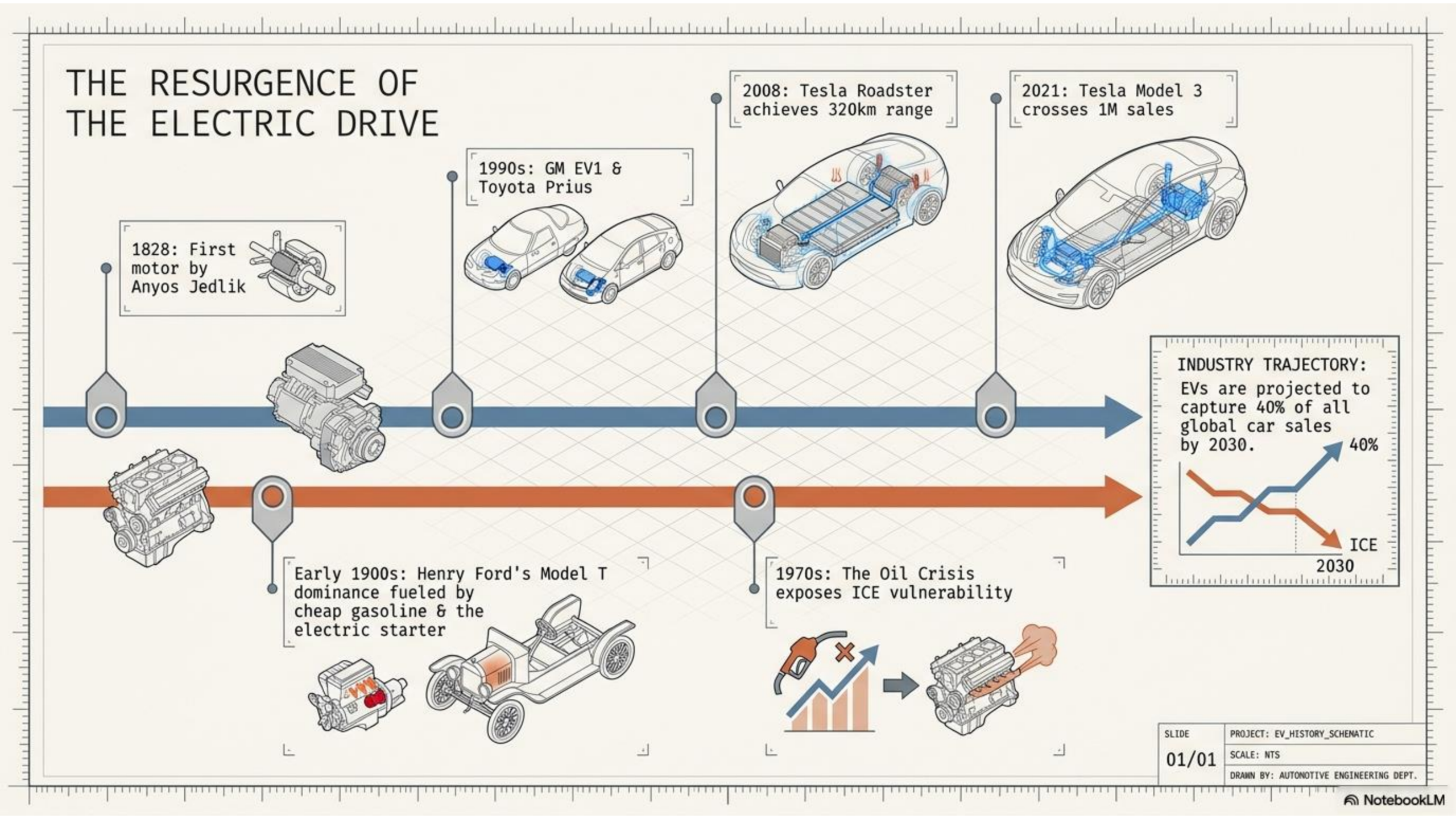
According to industry estimates, nearly 20% of all new vehicles sold globally are expected to be electric, with adoption projected to exceed 40% by 2030. While EVs may seem recent, the first experimental electric motor dates back to 1828. Today's EVs combine advanced batteries, intelligent software, and innovative architecture for a cleaner, quieter, thrilling drive.
🔌 Understanding the Different Types of Electric Vehicles
Not all EVs are the same. Here are the three main categories you'll encounter on the road.
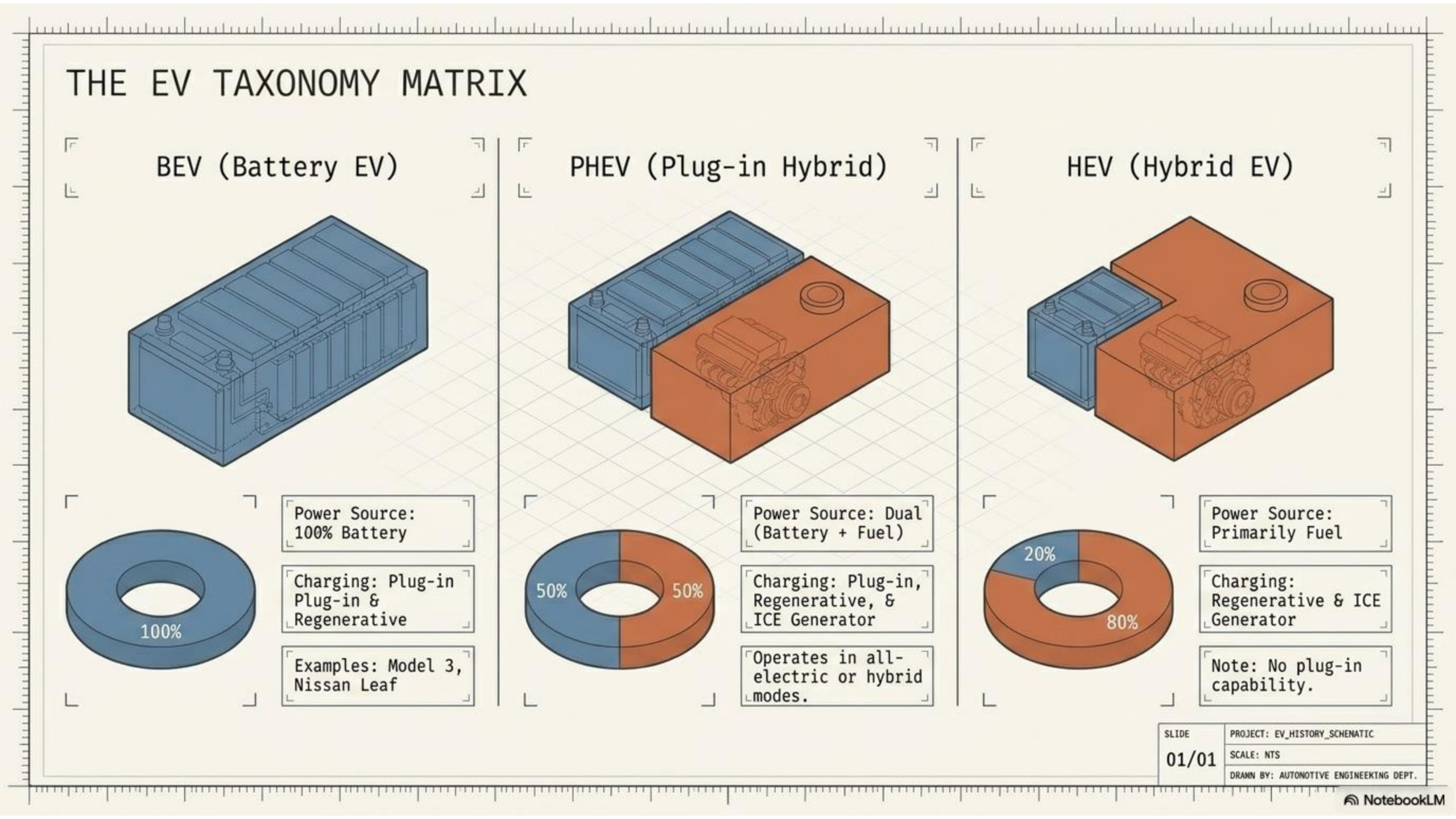
🚗 BEV (Battery Electric Vehicle)
Fully electric, powered only by rechargeable batteries. Zero tailpipe emissions. Examples: Tesla Model 3, MG Windsor EV, Hyundai IONIQ 5.
🔁 PHEV (Plug-in Hybrid EV)
Combines electric motor + gasoline engine. Can run on electricity alone for short distances, then switch to petrol. Plug to charge.
⛽ HEV (Hybrid Electric Vehicle)
No plug-in port; batteries recharge via regenerative braking & engine. Popular Toyota Prius, Camry Hybrid.
| Feature | BEV | PHEV | HEV |
|---|---|---|---|
| Electric Motor | ✅ Yes | ✅ Yes | ✅ Yes |
| Battery Powered | ✅ Yes | ✅ Yes | ✅ Yes |
| Gasoline Engine | ❌ No | ✅ Yes | ✅ Yes |
| Charging Port | ✅ Yes | ✅ Yes | ❌ No |
| Tailpipe Emissions | Zero | Low | Moderate |
| Regenerative Braking | ✅ Yes | ✅ Yes | ✅ Yes |
🧩 The Three Core Components That Make an EV Move
Every electric vehicle relies on three critical systems: Battery Pack · Motor Controller · Electric Motor
🔋 The Battery Pack: Fuel Tank of the Future
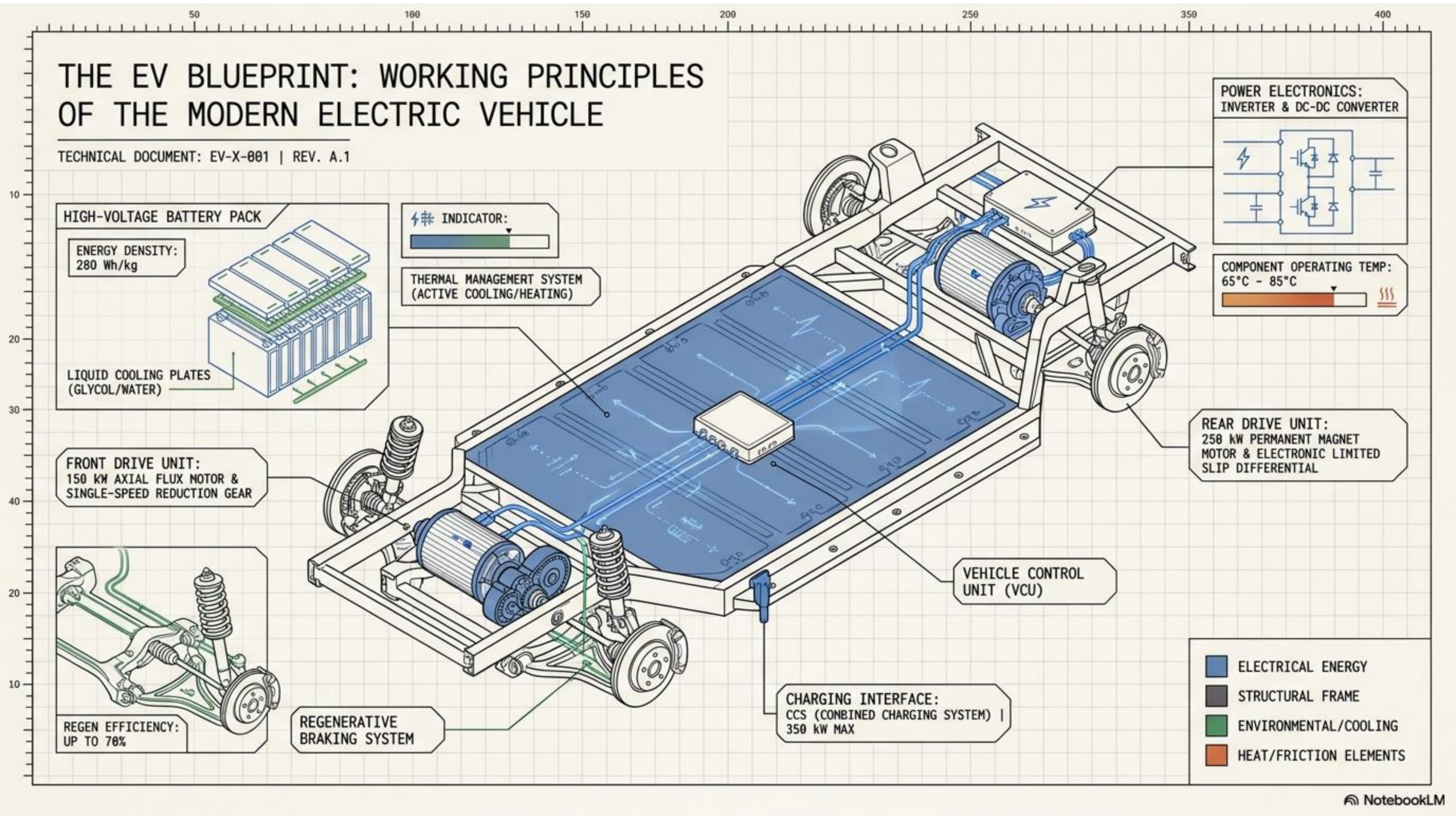
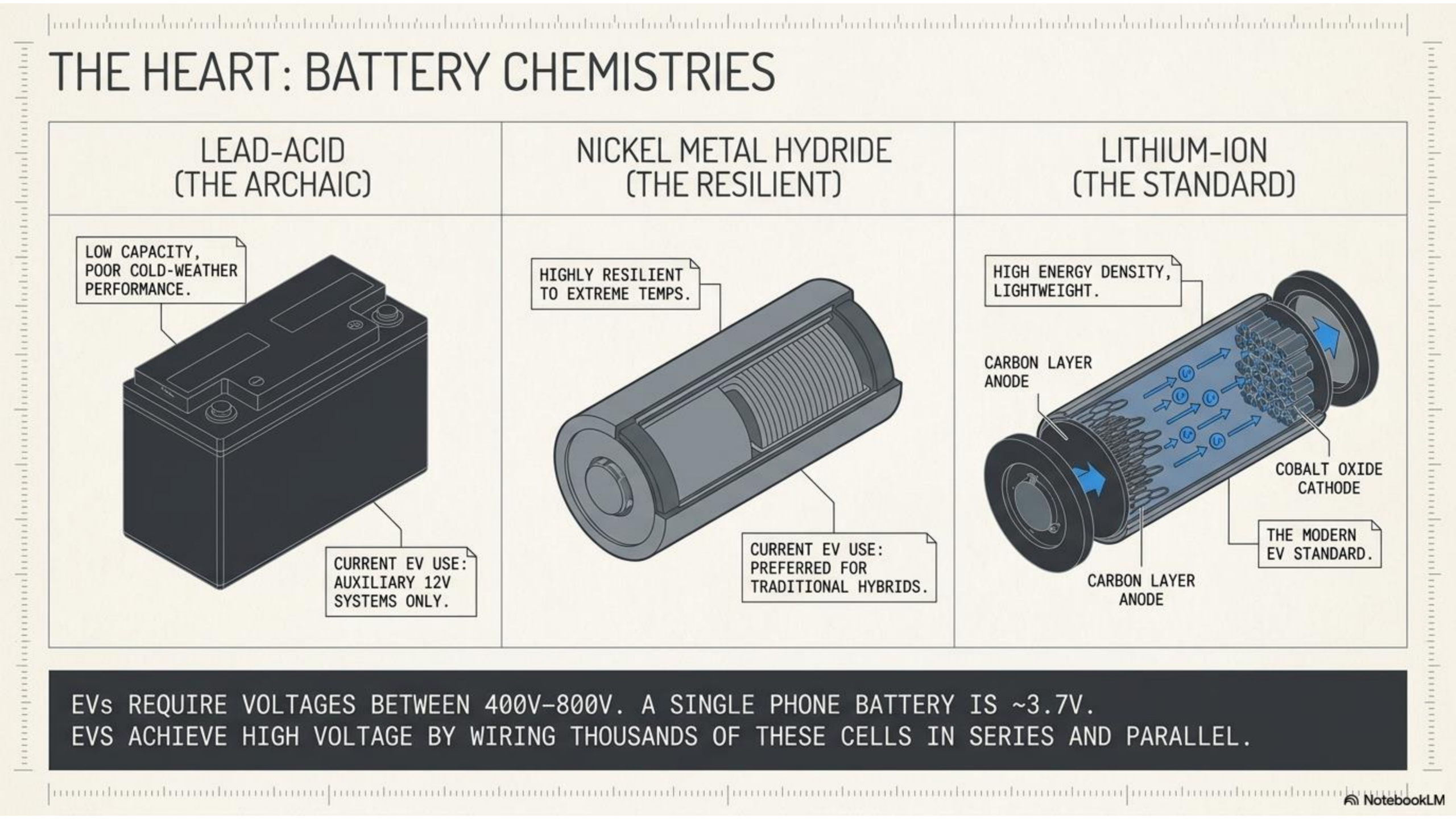
Most modern EVs use Lithium-Ion battery technology because of its high energy density, long lifespan, and fast charging capability. EV packs contain thousands of individual cells grouped into modules, capable of delivering between 400V and 800V.
| Advantage | Benefit |
|---|---|
| High Energy Density | Longer driving range |
| Lightweight Design | Improved efficiency |
| Fast Charging | Reduced charging time |
| Long Lifespan | Better ownership value |
| Low Self-Discharge | Improved storage performance |
🧠 The Motor Controller: Brain of the Vehicle
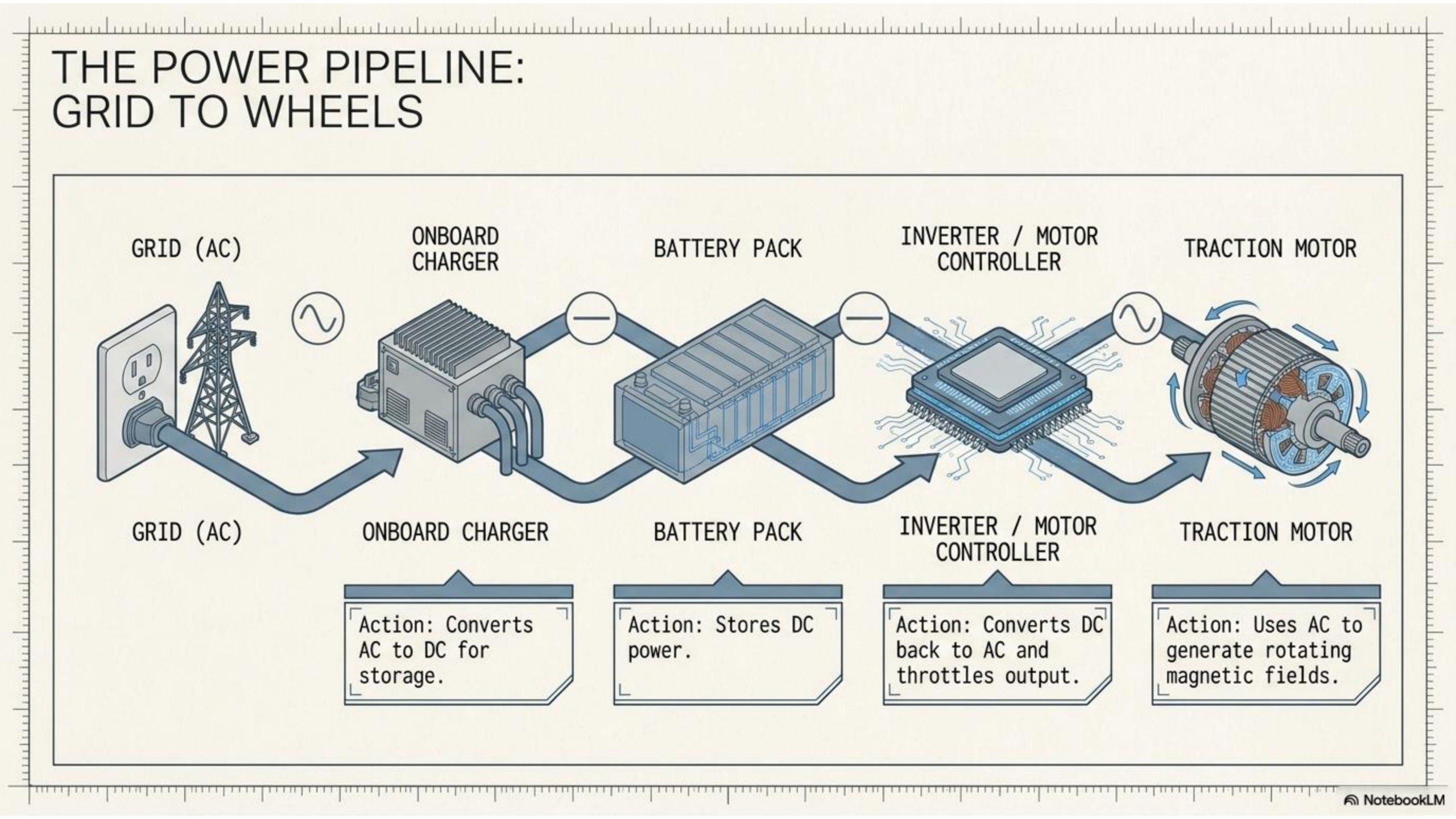
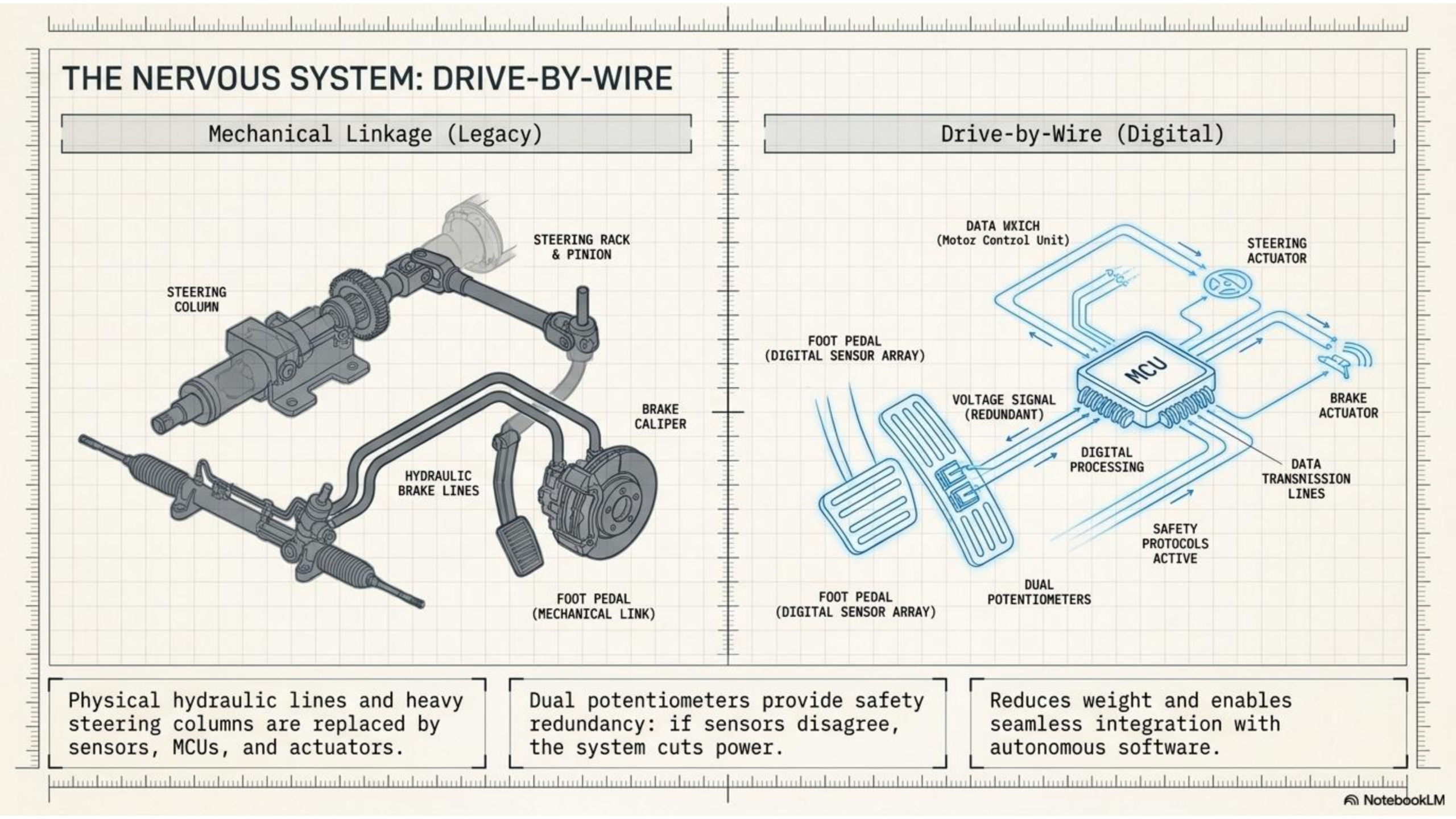
The motor controller constantly monitors accelerator, brake, battery status, and temperature, deciding power delivery. It performs the essential conversion from DC (battery) to AC (motor).
💪 The Electric Motor: Instant Muscle
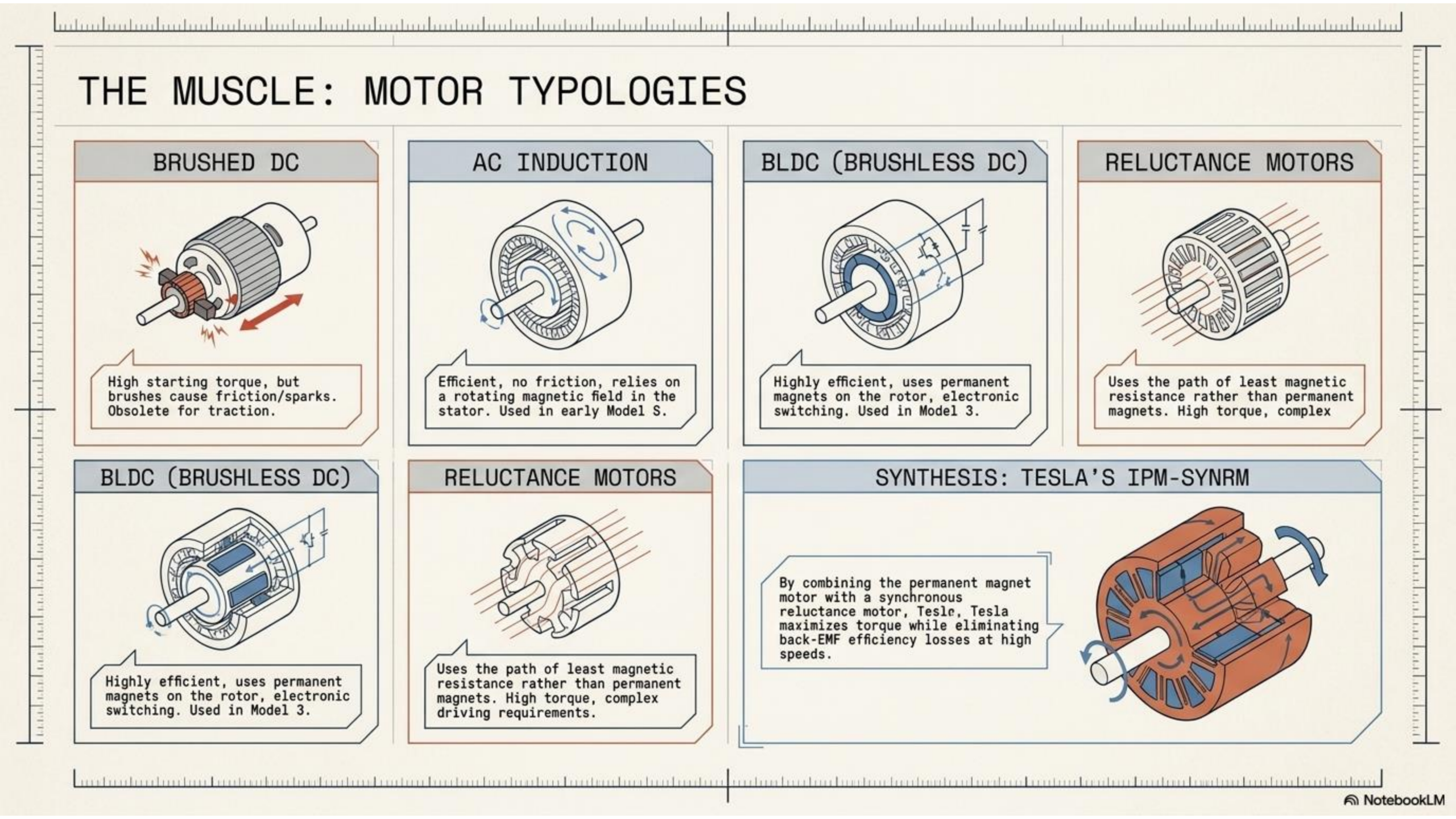
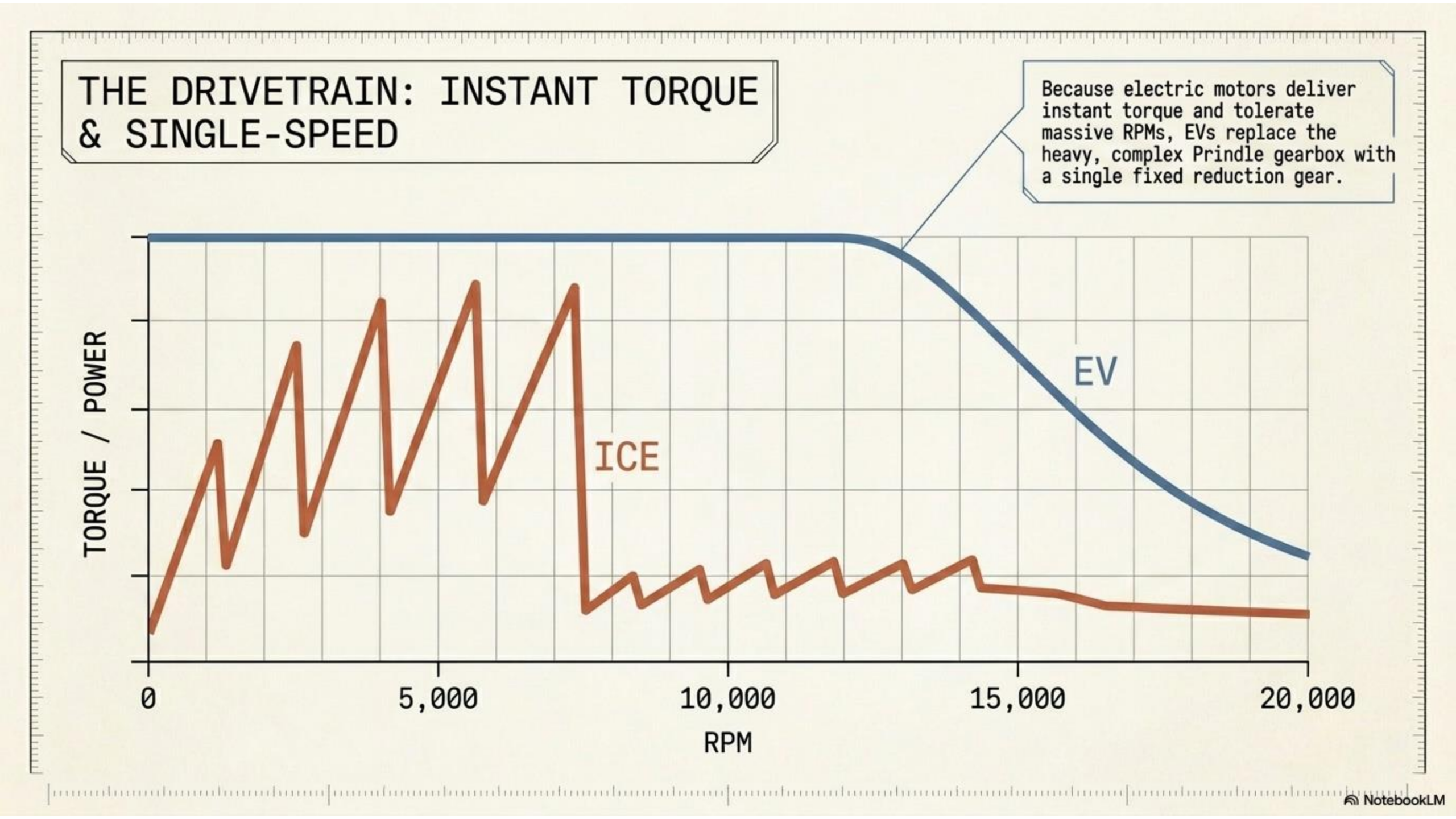
Electric motors deliver maximum torque instantly, making EVs incredibly responsive. Common motor types: AC Induction, Permanent Magnet Synchronous, and Synchronous Reluctance.
- ⚡ Instant torque → explosive acceleration
- 🔇 Quiet operation
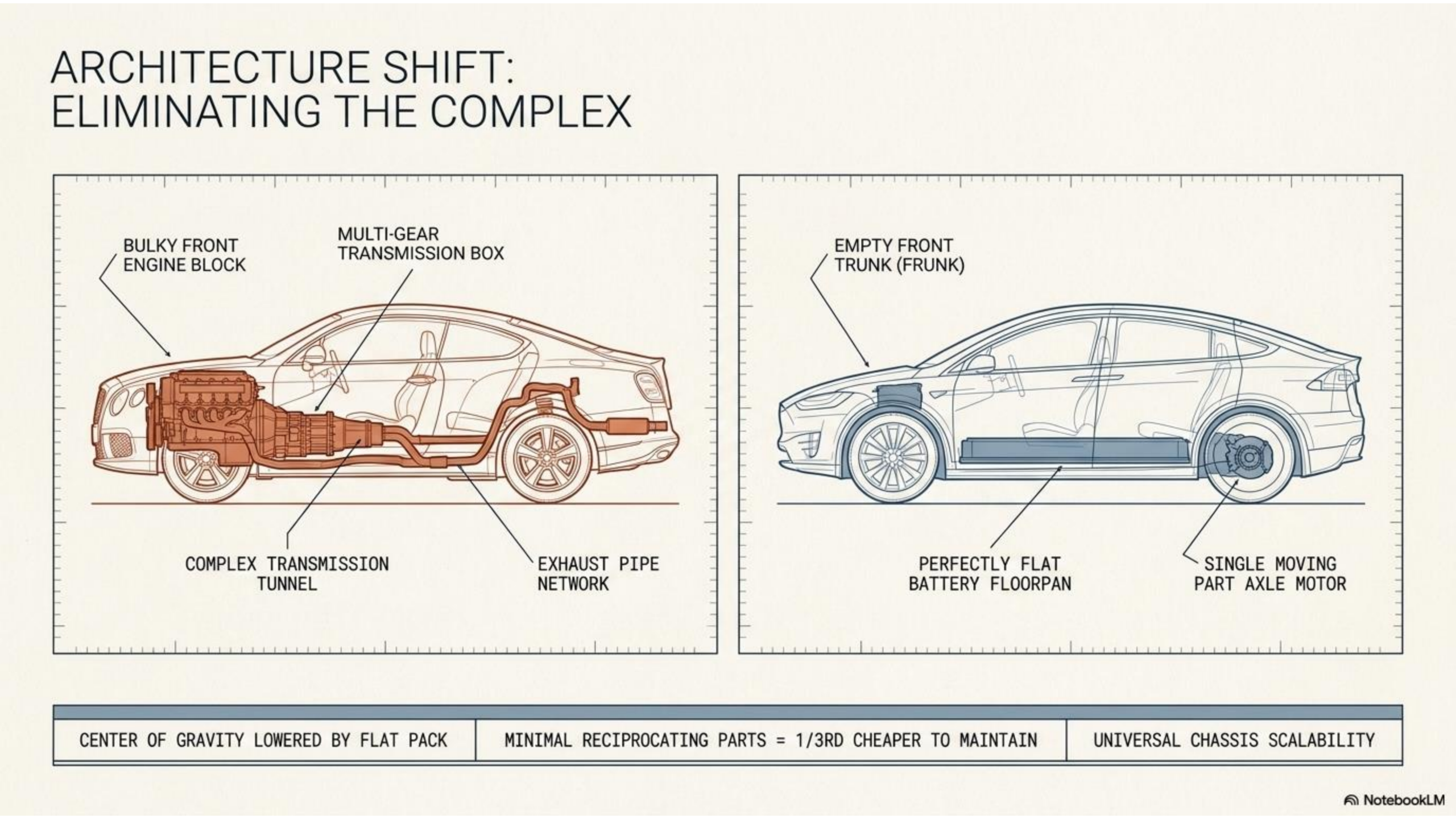
- 🛠️ Low maintenance (fewer moving parts)
- 📈 High efficiency (85-95% vs 30-40% for gas engines)
🔌 How EV Charging Works
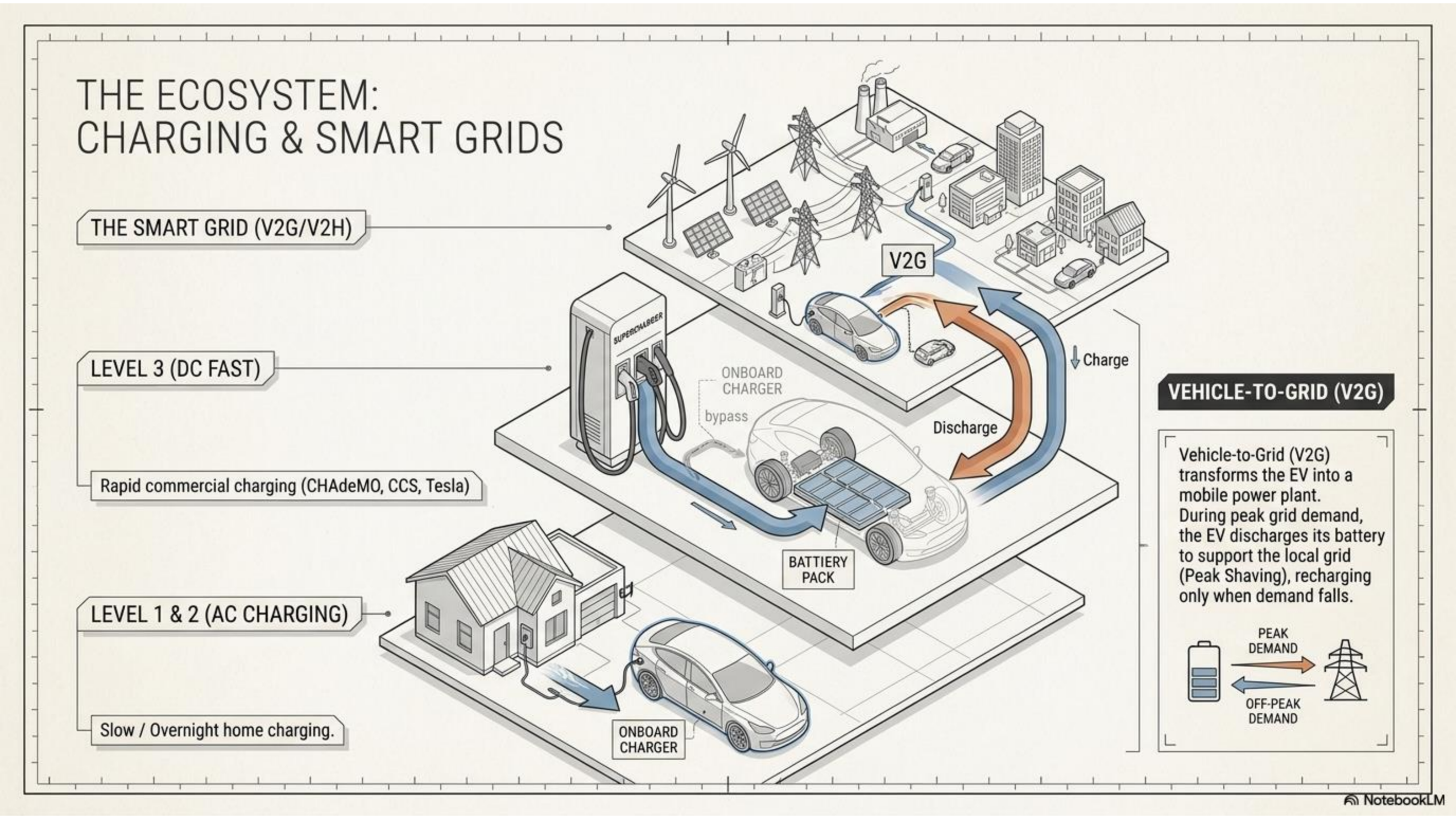
Instead of gasoline, EV owners recharge using electricity. The grid provides AC, but batteries store DC — conversion via onboard charger or DC fast charger.
🏠 Level 1 (120V)
Standard household outlet. ~5 miles of range per hour. Convenient but slow.
⚡ Level 2 (240V)
Common home/workplace charger. ~20 miles of range per hour. Ideal daily charging.
🚀 DC Fast Charging (Level 3)
Rapid public charging. Up to 80+ miles of range per hour. 10-80% in ~30 mins.
🏎️ Tesla's Advanced Motor Technology
Tesla's Internal Permanent Magnet Synchronous Reluctance Motor (IPM SynRM) combines permanent magnets for low-speed efficiency with reluctance technology for high-speed performance — exceptional efficiency across the entire speed range.
🛹 The Skateboard Chassis: Revolutionary Design
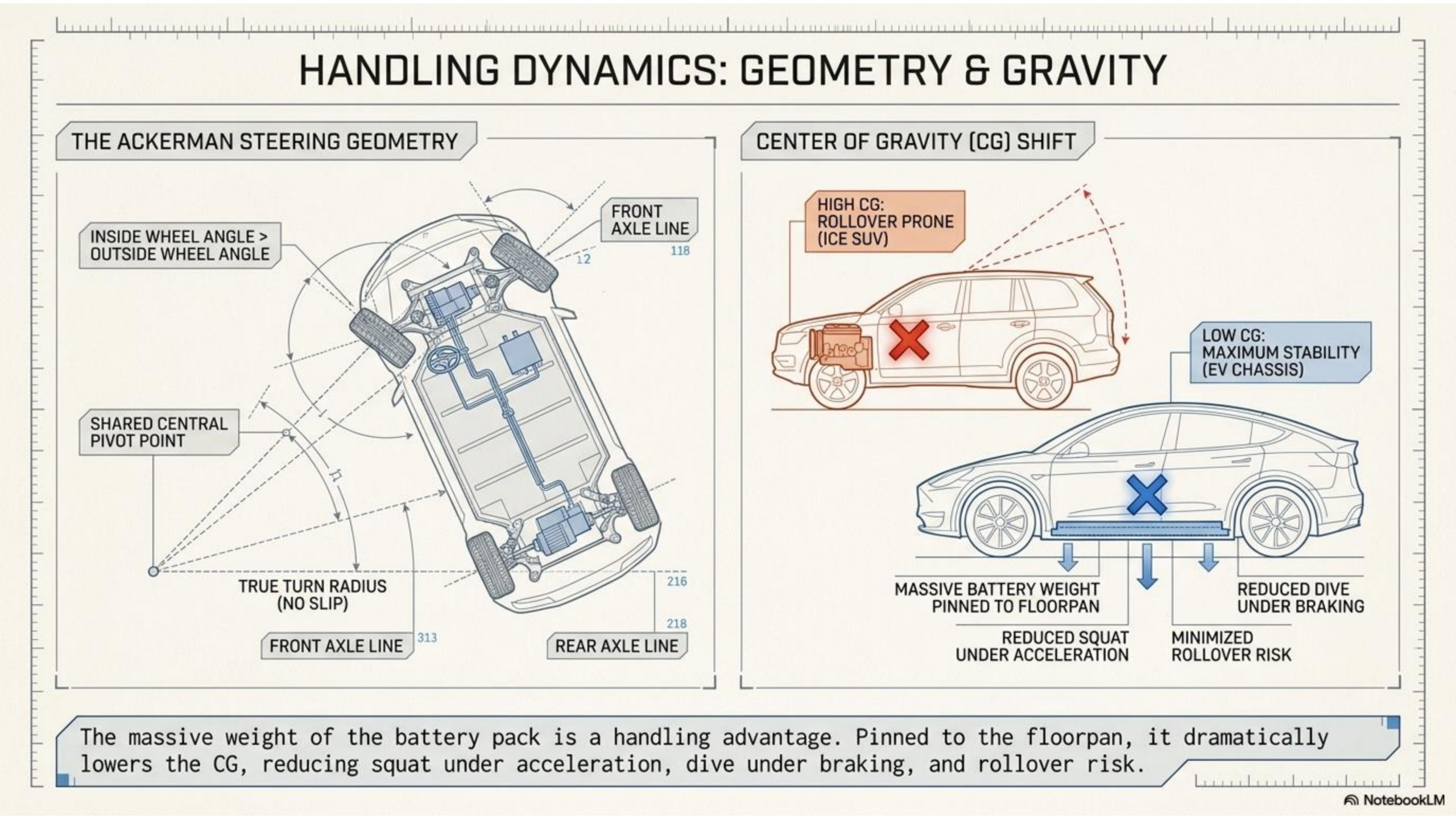
Most modern EVs use a flat "skateboard" platform where battery sits beneath the floor, motors near axles. Advantages:
- ✅ Lower center of gravity → better stability & handling
- ✅ More interior space (no engine tunnel)
- ✅ Improved safety (battery protected between axles)
- ✅ Optimal weight distribution
🌡️ Thermal Management: Keeping Batteries Cool
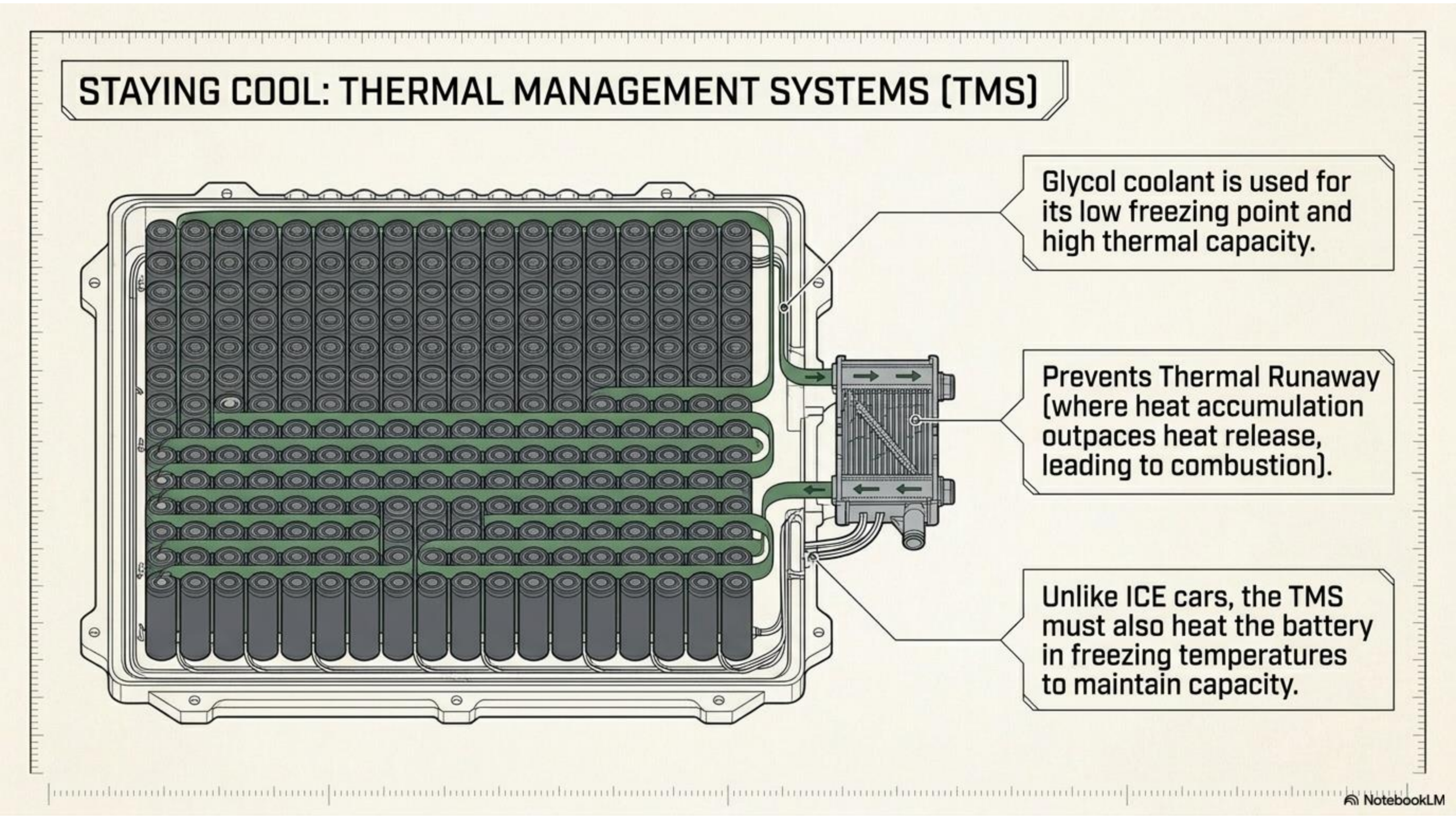
High-performance batteries generate heat. EVs use sophisticated liquid cooling systems. In cold climates, the system warms the battery to improve performance and charging speed.
🔄 Regenerative Braking: Turning Motion into Electricity
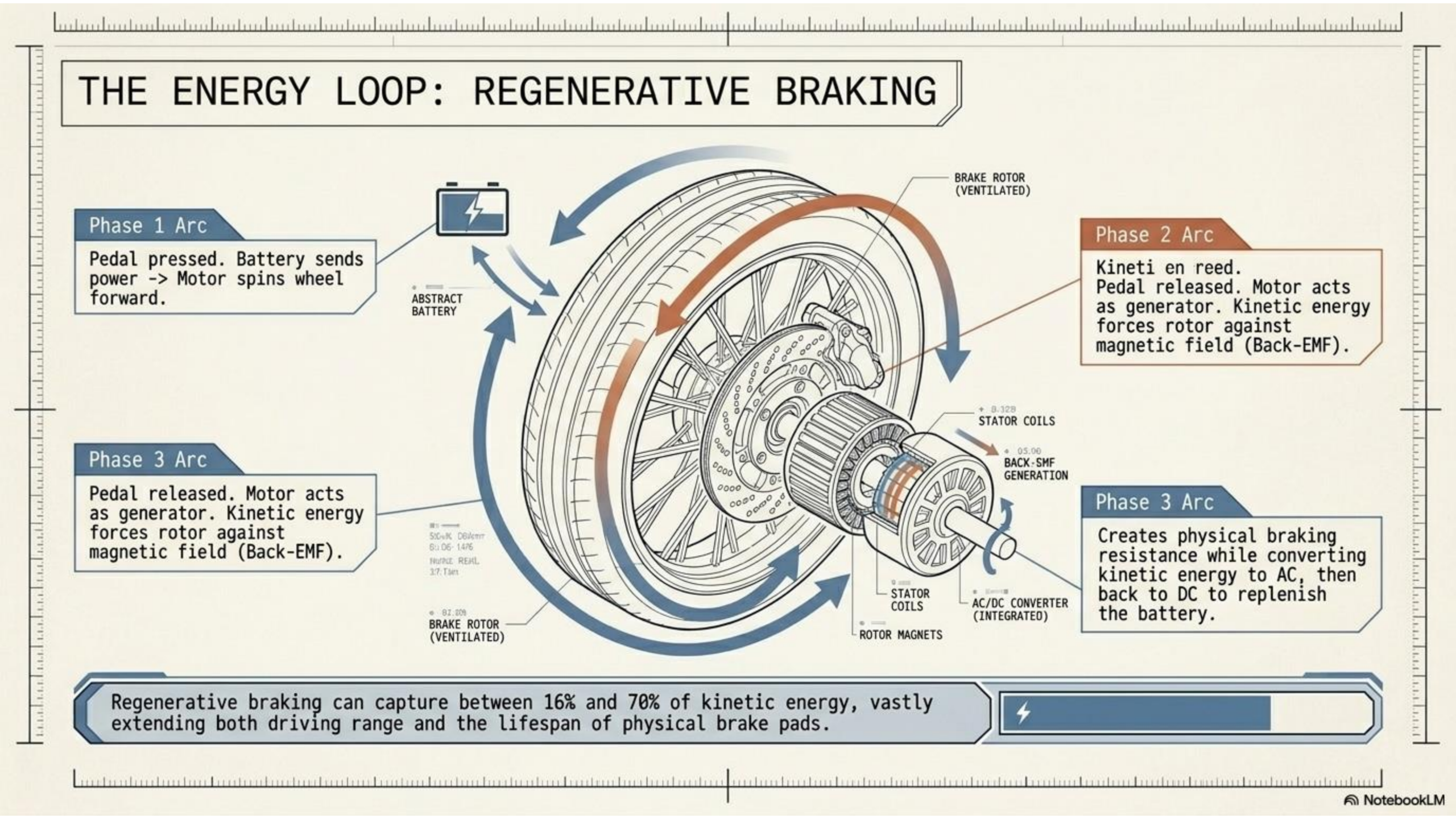
Instead of wasting kinetic energy as heat, EVs switch the motor into generator mode, sending electricity back to the battery. Studies show regenerative braking can recover 16–70% of energy normally lost.
- The motor switches into generator mode
- Wheel rotation drives the motor
- Mechanical energy becomes electricity
- Electricity is sent back to the battery
Benefits: Increased range, reduced brake wear, lower maintenance costs.
📊 The Battery Management System (BMS)
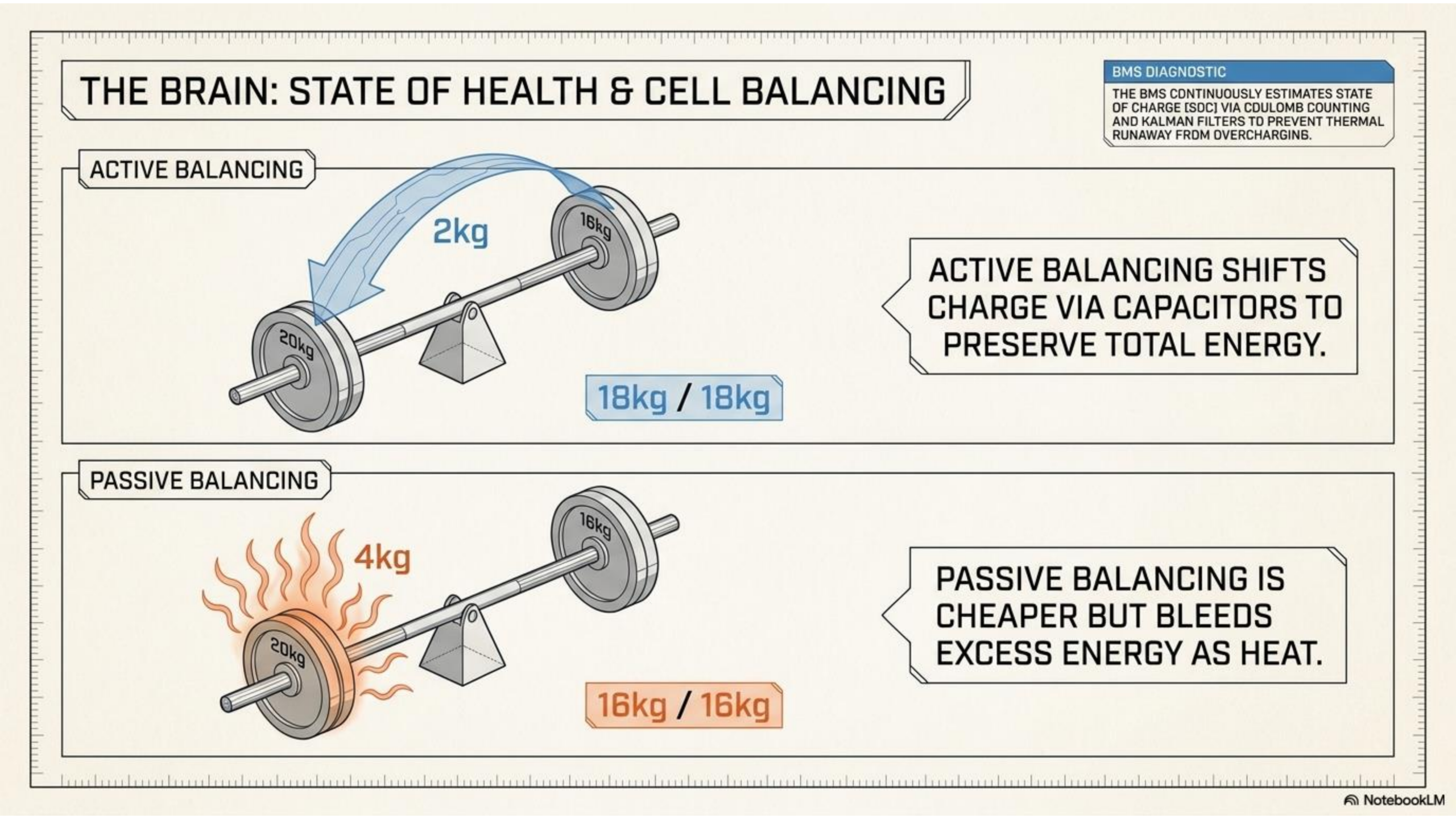
The BMS is the battery's guardian, continuously monitoring health and performance.
- 🔋 State of Charge (SoC): Fuel gauge for remaining energy.
- 💚 State of Health (SoH): Battery condition compared to new.
- ⚖️ Cell Balancing: Ensures all cells charge/discharge evenly → better lifespan & safety.
⚙️ Why Most EVs Use a Single-Speed Transmission
Electric motors produce strong torque across a broad speed range, so a single reduction gear is sufficient. Benefits: less weight, fewer moving parts, higher reliability, near-zero maintenance.
🌍 Environmental Impact of Electric Vehicles
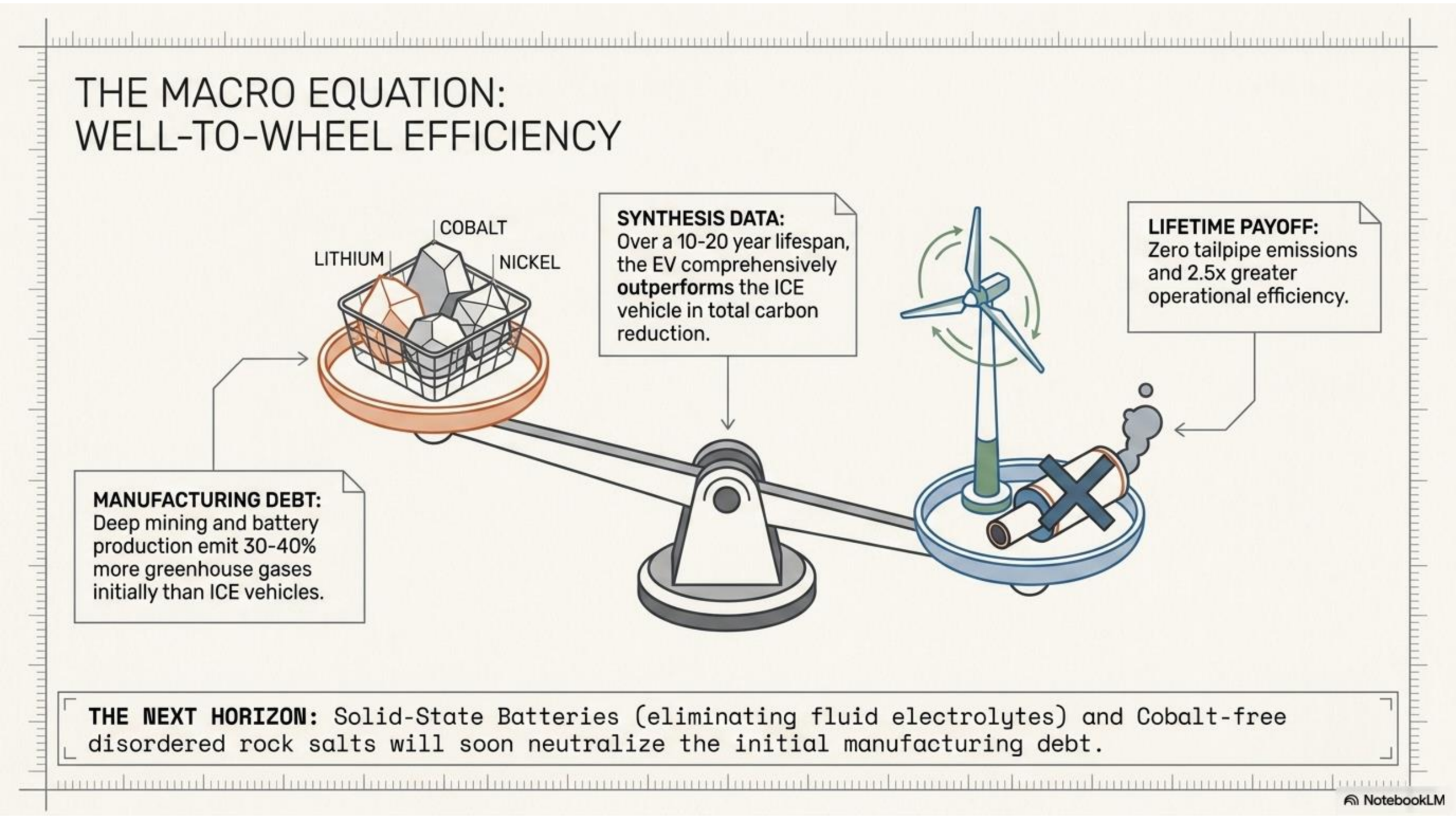
EVs are ≈2.5 times more energy-efficient than conventional petrol vehicles over their lifetime. Battery manufacturing requires mining for lithium, nickel, cobalt, but overall lifecycle emissions are significantly lower — especially with renewable electricity.
🚀 The Future of Electric Mobility
🔋 Solid-State Batteries
Higher energy density, faster charging, improved safety.
🏠 Vehicle-to-Grid (V2G)
EVs send power back to the grid during peak demand.
🤖 Autonomous Driving
AI & sensors transform vehicles into smart mobility platforms.
📡 Smart Charging
Optimized energy use based on grid demand & electricity prices.
✅ Conclusion: The Road Ahead
Electric vehicles combine advanced battery systems, intelligent motor controllers, regenerative braking, and innovative skateboard chassis to deliver superior efficiency, lower operating costs, and reduced environmental impact. As charging infrastructure grows and battery tech evolves, EVs will become the backbone of sustainable transportation.