
India's 2026-2027 Electric Vehicle Market Outlook: The EV Revolution is Just Getting Started
An in-depth look at the game-changing electric vehicles set to launch in India by 2026, offering improved range, performance, and features.
• 8 min read ⚡
- The Dawn of India's EV Era
- Anticipated EV Launches in India by 2026
- Budget-Friendly EVs for City Driving (Under ₹15 Lakh)
- Mid-Size Electric SUVs: The Most Competitive Segment
- Premium EVs and Electric 7-Seaters
- Should You Buy an EV Today or Wait Until 2026?
- Conclusion: The Future is Electric
- Frequently Asked Questions (FAQ)
- Ready to Electrify Your Ride?
The Dawn of India's EV Era Growth Surge
The Indian electric vehicle (EV) market is growing faster than ever. Rising fuel prices, increasing awareness about sustainability, and improvements in charging infrastructure are encouraging more people to consider electric cars.
Until recently, many EVs in India were simply electric versions of existing petrol or diesel vehicles. However, 2026 is expected to be a game-changing year. Automakers are launching vehicles built on dedicated electric platforms, offering longer driving ranges, faster charging, better performance, and more interior space.
Whether you are looking for an affordable city car, a family SUV, or a premium electric vehicle, 2026 will offer plenty of exciting options. Let's explore some of the most anticipated EV launches coming to India.
Anticipated EV Launches in India by 2026
| Model | Expected Price | Range | Expected Launch (MM/YY)* |
|---|---|---|---|
| Tata Sierra EV | ₹20 – ₹25 Lakh | 450–550 km | 08/26 |
| Renault Bridger EV | ₹10 – ₹14 Lakh | N/A | 09/26 |
| Maruti Suzuki Fronx EV | ₹12 – ₹15 Lakh | 400–500 km | 10/26 |
| Hyundai IONIQ 6 | ₹55 – ₹65 Lakh | 680 km | 10/26 |
| Toyota Urban Cruiser Ebella | ₹23 – ₹28 Lakh | Up to 543 km | 11/26 |
| Kia Syros EV | ₹14 – ₹20 Lakh | 400–450 km | 12/26 |
| Tata Safari EV | ₹25 – ₹30 Lakh | 450–600 km | Q4 2026 |
| Hyundai Inster | ₹12 – ₹15 Lakh | 370 km | 01/27 |
| Mahindra XUV.e8 | ₹30 – ₹35 Lakh | N/A | 02/27 |
| VinFast VF 3 | ₹7.5 – ₹10 Lakh | 215 km | 03/27 |
| Mahindra Thar.e | ₹25 – ₹30 Lakh | 500 km | 03/27 |
| Tata Avinya | ₹30 – ₹40 Lakh | 500 km | 06/27 |
| Skoda Epiq EV | ₹20 – ₹25 Lakh | 425 km | 07/27 |
| MG Binguo EV | ₹9 – ₹12 Lakh | Up to 410 km | 12/26 |
* Disclaimer: All launch dates are tentative, and the information has been compiled from multiple sources. Actual specifications and timelines may change.
Budget-Friendly EVs for City Driving (Under ₹15 Lakh) Accessible Mobility
For first-time EV buyers and daily commuters, the affordable EV segment is becoming increasingly attractive. These models prioritize cost-effectiveness and urban practicality.
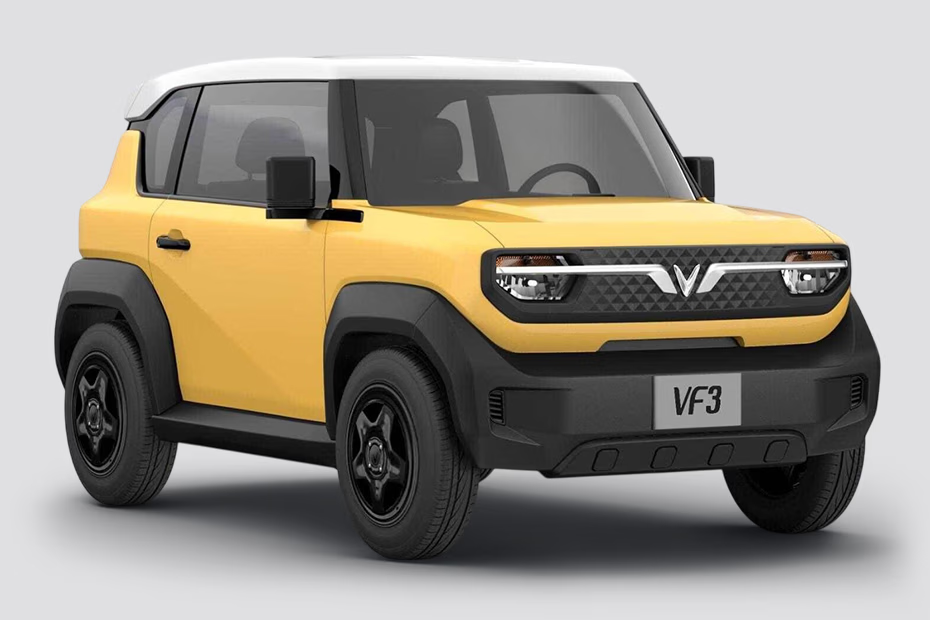
VinFast VF 3
Expected Price: ₹7.5 – ₹10 Lakh
Range: 215 km
- Designed mainly for city driving.
- 18.64 kWh battery.
- Charges 10% to 70% in ~36 minutes.
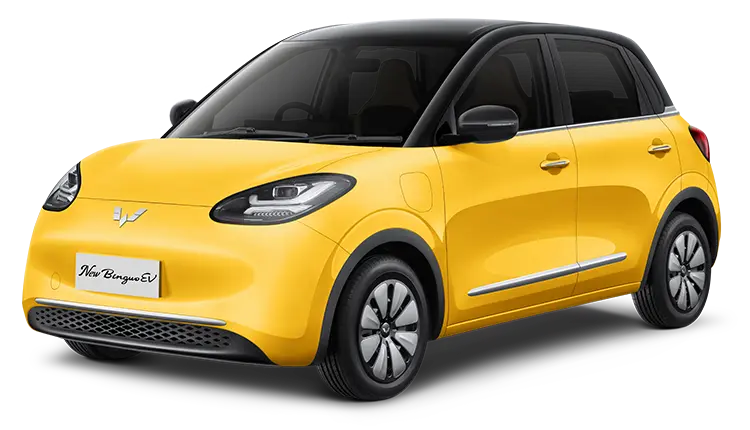
MG Binguo EV
Expected Price: ₹9 – ₹12 Lakh
Range: Up to 410 km
- Targets urban buyers.
- Suitable for city and occasional highway trips.
- Compact size with modern features.
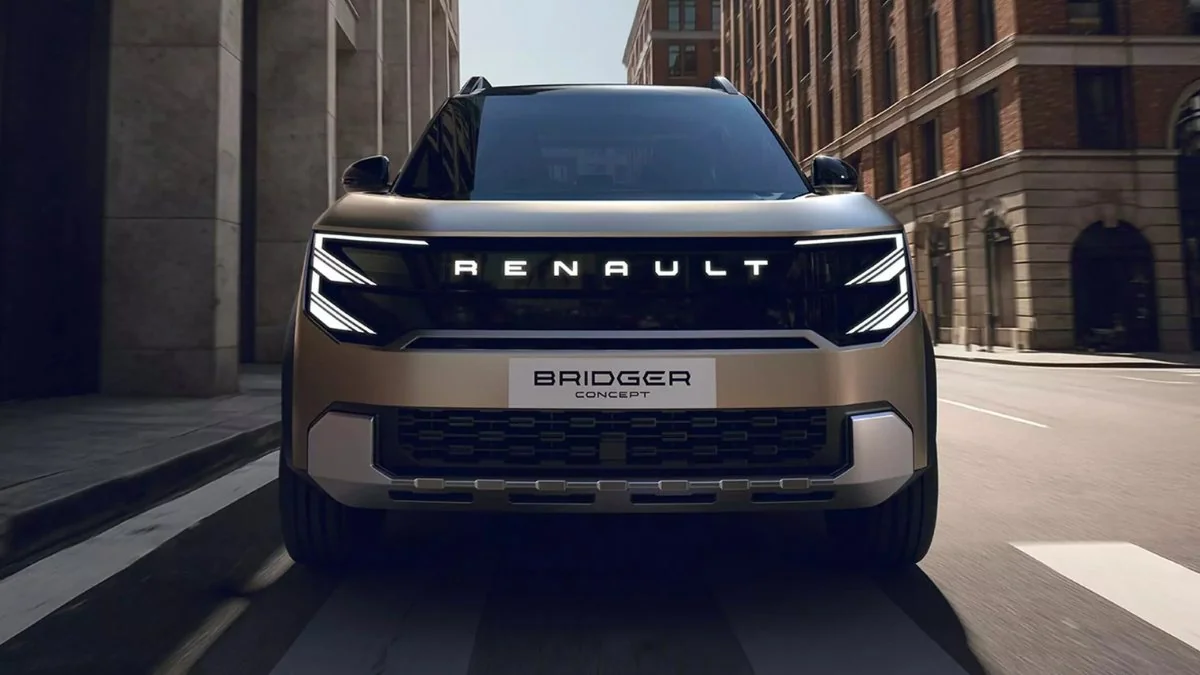
Renault Bridger EV
Expected Price: ₹10 – ₹14 Lakh
Range: N/A
- Choice of 35 kWh or 55 kWh battery packs.
- Expected premium features: 360-degree camera, ADAS, sunroof.
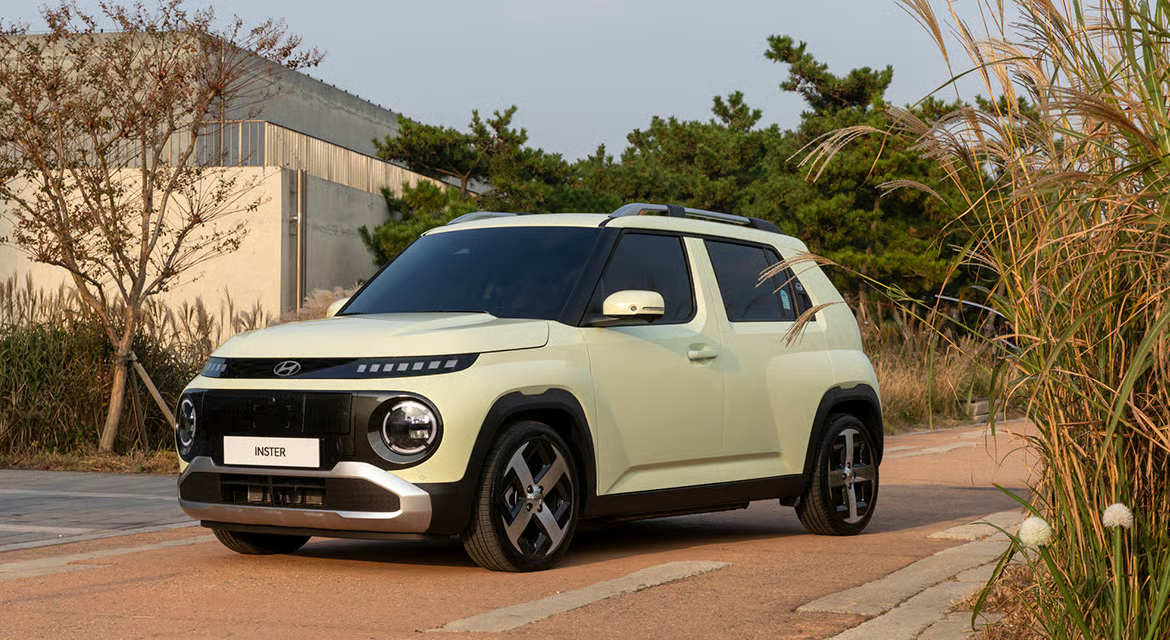
Hyundai Inster
Expected Price: ₹12 – ₹15 Lakh
Range: 370 km (WLTP)
- Supports 120 kW DC fast charging.
- Charges 10% to 80% in ~30 minutes.
- Generating significant global interest.
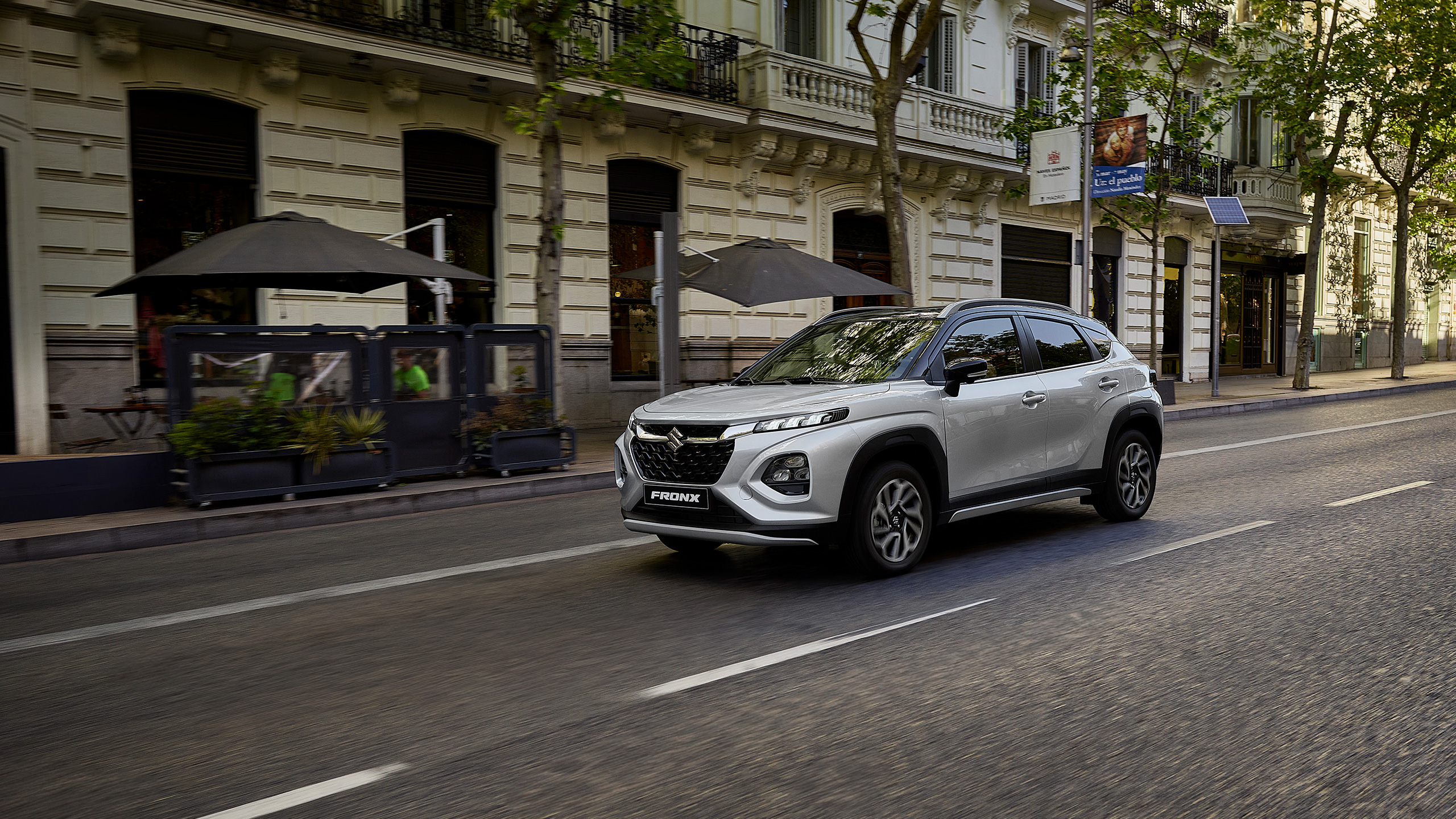
Maruti Suzuki Fronx EV
Expected Price: ₹12 – ₹15 Lakh
Range: 400–500 km
- Battery options: 45 kWh to 60 kWh.
- Benefits from Maruti's extensive service network.
Mid-Size Electric SUVs: The Most Competitive Segment Family Favorites
The ₹15 lakh to ₹25 lakh category will likely become the battleground for Indian automakers. Buyers in this segment are looking for a combination of range, technology, comfort, and practicality.
Toyota Urban Cruiser Ebella
Expected Price: ₹23 – ₹28 Lakh
Range: Up to 543 km
- Shares platform with Maruti e Vitara.
- Benefits from Toyota's reliability reputation.
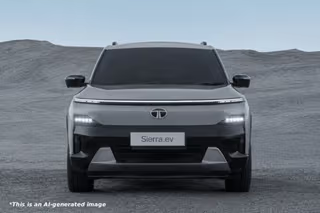
Tata Sierra EV
Expected Price: ₹20 – ₹25 Lakh
Range: 450–550 km
- Retro-inspired styling with modern technology.
- 65 kWh to 75 kWh battery packs.
- DC fast charging to 80% in under an hour.
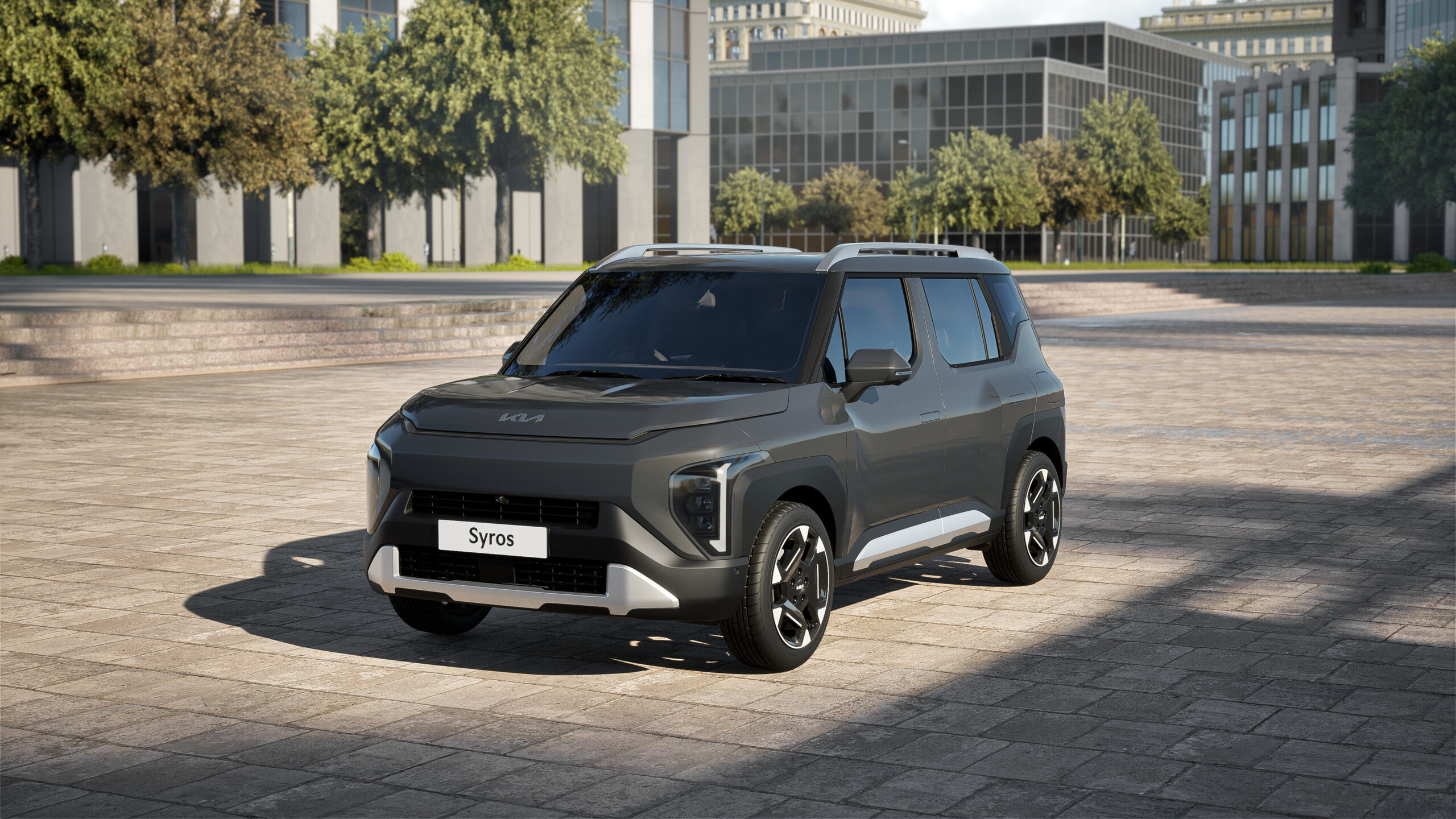
Kia Syros EV
Expected Price: ₹14 – ₹20 Lakh
Range: 400–450 km
- Battery options: 42 kWh and 49 kWh.
- Suitable for city and highway driving.
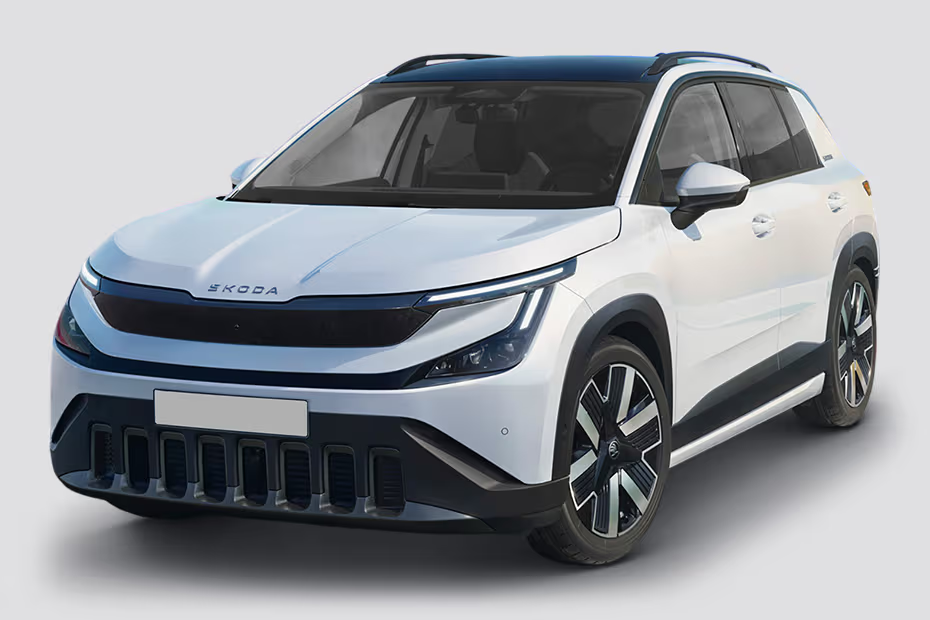
Skoda Epiq EV
Expected Price: ₹20 – ₹25 Lakh
Range: 425 km
- Fast-charging: 10% to 80% in just 23 minutes.
- Competitive driving range.
Quick Comparison of Mid-Size EVs
| Model | Expected Price | Range |
|---|---|---|
| Maruti e Vitara | ₹16–20 Lakh | Up to 543 km |
| Toyota Ebella | ₹23–28 Lakh | Up to 543 km |
| Tata Sierra EV | ₹20–25 Lakh | 450–550 km |
| Skoda Epiq EV | ₹20–25 Lakh | Up to 425 km |
| Kia Carens Clavis EV | ₹18–25 Lakh | 450–500 km |
Premium EVs and Electric 7-Seaters Luxury & Performance
Buyers looking for luxury, performance, and advanced technology will have several exciting options in 2026, pushing the boundaries of electric mobility.
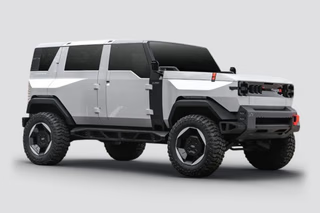
Mahindra Thar.e
Expected Price: ₹25 – ₹30 Lakh
Range: 500 km
- Dedicated electric off-roader.
- 80 kWh battery pack.
- Rugged design and off-road capabilities.
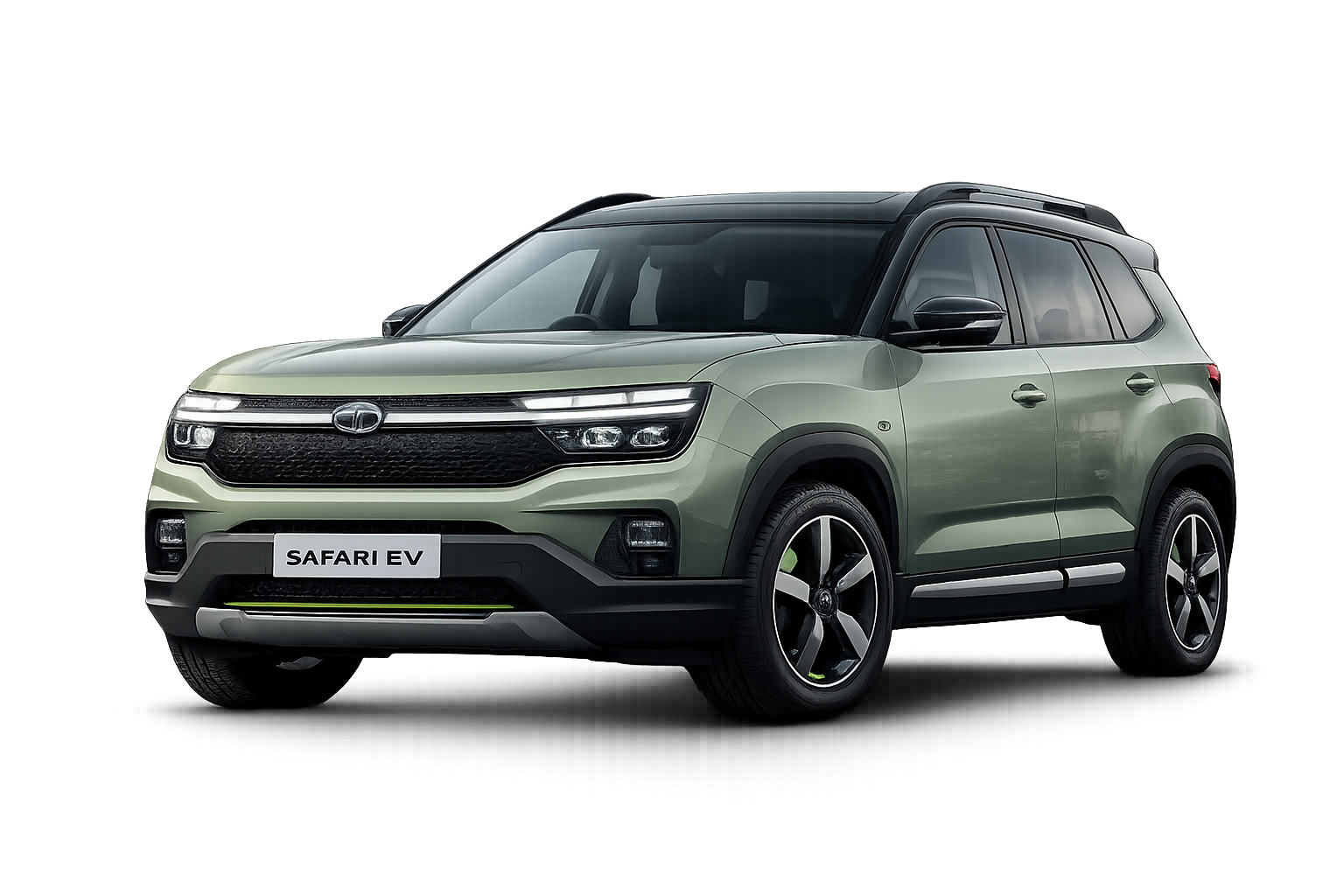
Tata Safari EV
Expected Price: ₹25 – ₹30 Lakh
Range: 450–600 km
- Expected to be a popular family EV.
- 65 kWh to 75 kWh battery options.
- Three rows of seating.
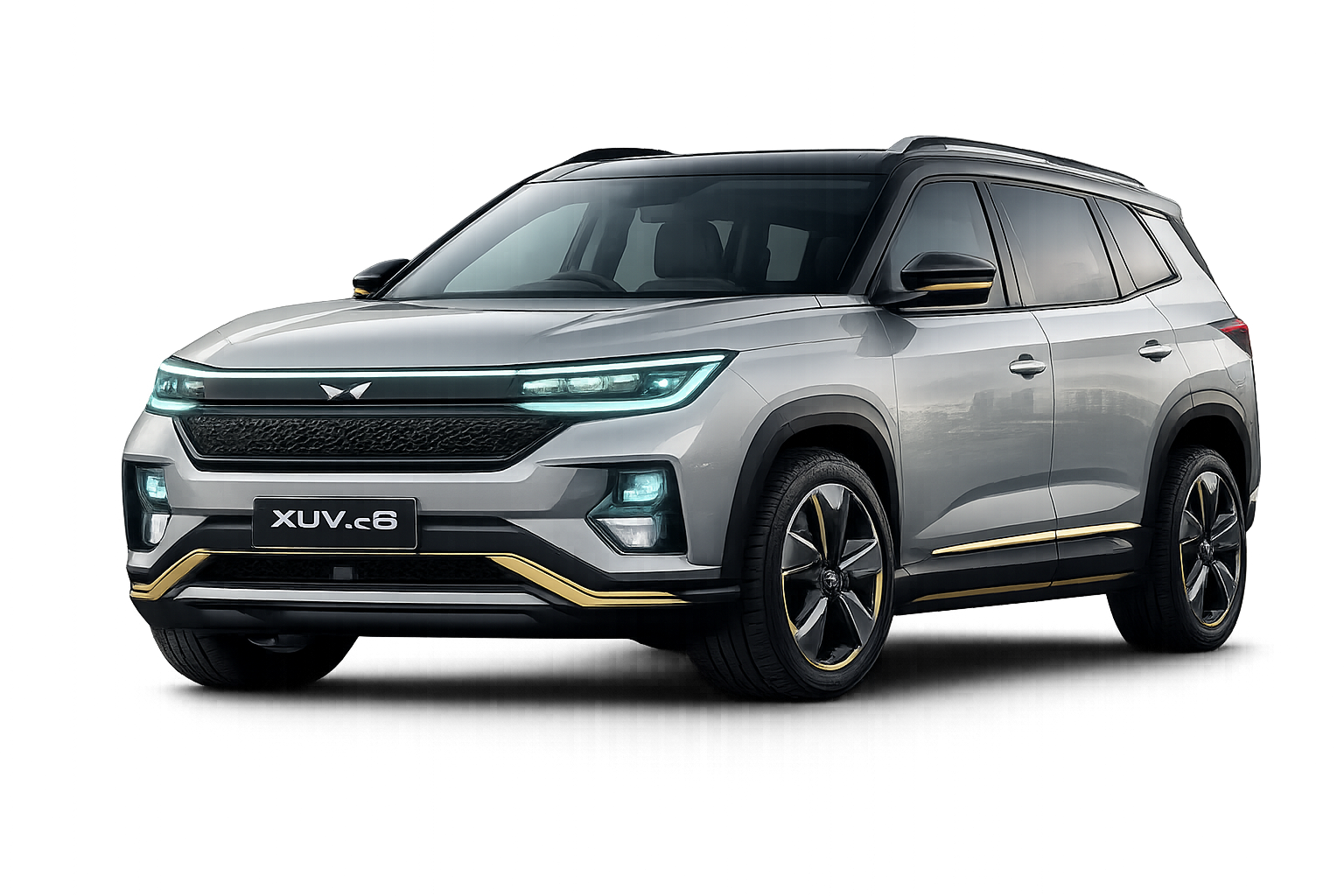
Mahindra XUV.e8
Expected Price: ₹30 – ₹35 Lakh
Range: N/A
- Electric version of XUV700.
- Premium features and advanced technology.
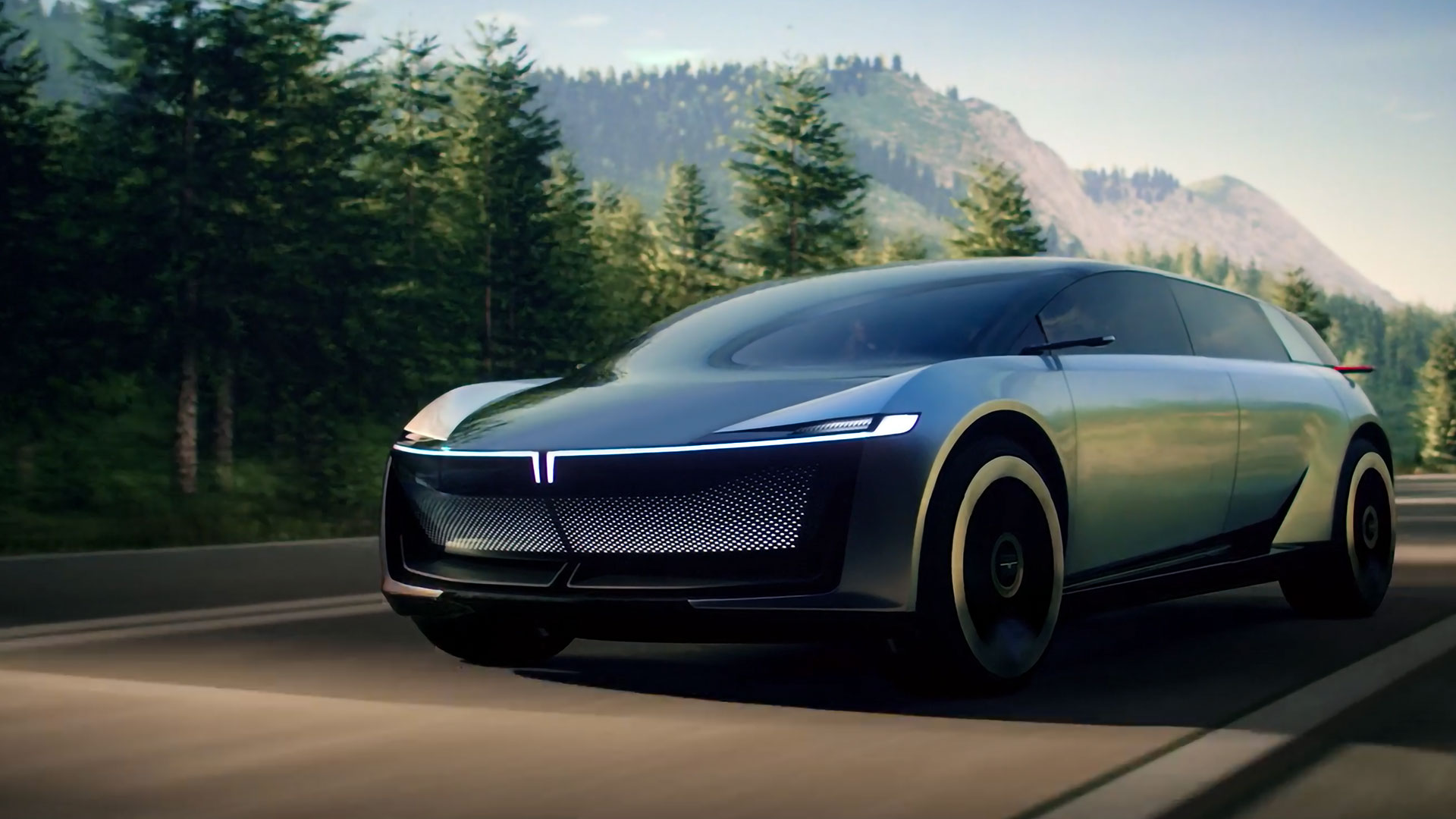
Tata Avinya
Expected Price: ₹30 – ₹40 Lakh
Range: 500 km
- A true "Born-EV" vehicle on a dedicated platform.
- Maximizes cabin space and efficiency.
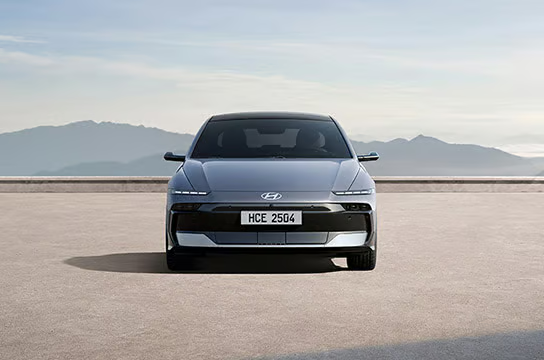
Hyundai IONIQ 6
Expected Price: ₹55 – ₹65 Lakh
Range: 680 km
- One of the longest-range EVs in India.
- Ultra-fast charging: 10% to 80% in just 18 minutes.
Additional premium launches are expected from brands like BYD (Shark Pickup, Atto 3 Facelift) and Volvo (EX90), further expanding choices for luxury EV buyers.
Should You Buy an EV Today or Wait Until 2026-27?
This is a common question among potential EV buyers. If you need a vehicle immediately, today's EVs already offer excellent value and significantly lower running costs than petrol or diesel vehicles.
However, if you can wait, 2026-27 promises major advancements in:
- ‣ Battery technology
- ‣ Driving range
- ‣ Fast-charging speeds
- ‣ Dedicated EV platforms
- ‣ Interior space optimization
- ‣ Advanced driver assistance systems
Models such as the Tata Sierra EV, Mahindra Thar.e, Tata Safari EV, and Skoda Epiq EV could redefine expectations in their respective categories. Your decision depends on your immediate needs versus the desire for cutting-edge technology.
Conclusion: The Future is Electric
India's EV market is entering an exciting new phase. The year 2026 will see the arrival of vehicles designed specifically as electric cars rather than modified petrol models. From affordable city commuters like the VinFast VF 3 and MG Bingo EV to family-friendly SUVs such as the Maruti e Vitara and Tata Sierra EV, and premium offerings like the Hyundai IONIQ 6 and Tata Avinya, buyers will have more choices than ever before.
Longer driving ranges, faster charging, improved technology, and competitive pricing are making electric vehicles increasingly practical for Indian consumers.
The EV revolution is no longer a future possibility—it is happening now. The only question is: which EV will be parked in your driveway next?
Frequently Asked Questions (FAQ)
Q: What makes 2026 a game-changing year for Indian EVs?
A: 2026 is expected to see a significant shift towards vehicles built on dedicated electric platforms, rather than electrified versions of existing petrol cars. This means better optimization for range, charging, performance, and interior space.
Q: How will dedicated EV platforms benefit consumers?
A: Dedicated platforms allow automakers to design EVs from the ground up, leading to longer driving ranges, faster charging capabilities, improved performance, more spacious interiors due to better battery packaging, and enhanced safety features.
Q: Are budget-friendly EVs expected to have good range?
A: Yes, even in the budget segment, models like the MG Bingo EV are expected to offer ranges up to 410 km, making them suitable for both city commutes and occasional longer trips. Faster charging is also becoming standard.
Q: Will EV battery rental options be available in India?
A: Some manufacturers, like Maruti Suzuki with its e Vitara, are reportedly exploring battery rental options. This strategy aims to reduce the initial purchase cost of EVs, making them more accessible to a wider consumer base.
Q: What are the key advantages of waiting until 2026 to buy an EV?
A: Waiting until 2026 could give you access to EVs with significantly improved battery technology, longer ranges, ultra-fast charging speeds, and advanced driver assistance systems (ADAS) that are expected to become more common.